Southern Province
Yala
Yala National Park is Sri Lanka's most celebrated wildlife reserve and, for many British travellers, the single greatest reason to venture into the island's deep south. Spanning scrub forest, open grassland, rocky outcrops and a dramatic Indian Ocean coastline, Yala Block I is renowned above all for its leopards—one of the highest densities of Panthera pardus kotiya anywhere in the world. To watch a leopard slung low along a dusty track, or draped across the fork of a tree in the late afternoon light, is an experience that converts casual safari-goers into lifelong devotees of the wild.
Yet Yala is far more than a leopard park. Asian elephants roam the grasslands in respectable numbers, sloth bears shuffle through the undergrowth, spotted deer and sambar provide prey for the park's apex predators, and crocodiles bask along the edges of waterholes. Birdlife is exceptional, with peacocks displaying in clearings, crested hawk-eagles perched on dead timber, and colourful bee-eaters flitting above the track. The landscape itself shifts constantly—from golden savannah to dark forest tunnel to coastal vista—giving each game drive a sense of variety that keeps even seasoned safari enthusiasts engaged.
Most visits to Yala are organised as half-day or full-day jeep safaris, typically entering the park at dawn or late afternoon when animals are most active and the light is at its finest. Experienced naturalist guides make an enormous difference, reading tracks, interpreting alarm calls and positioning vehicles with the patience and skill that ethical wildlife viewing demands. British visitors should book through reputable operators, respect park rules regarding speed and distance from animals, and remember that sightings can never be guaranteed—part of the magic lies in the unpredictability of the bush.
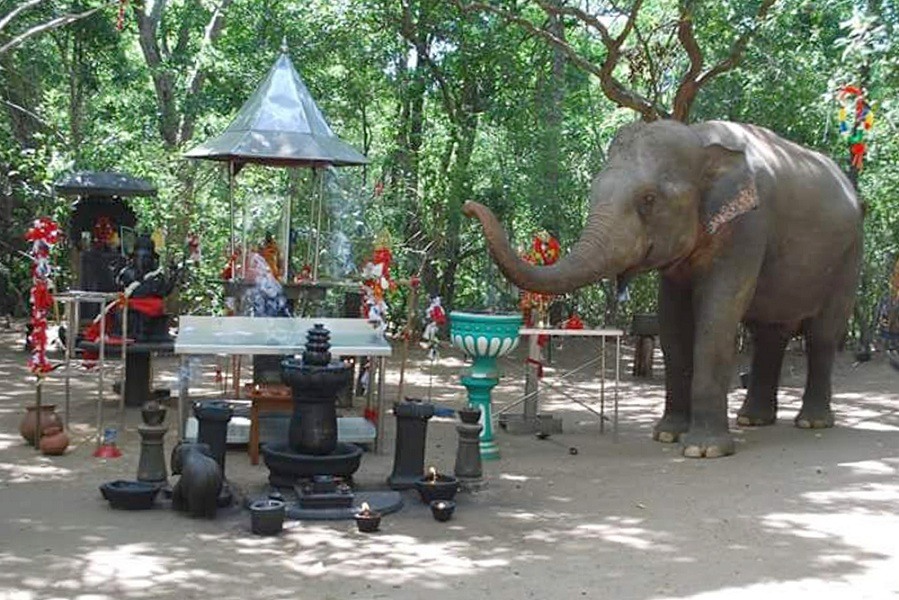
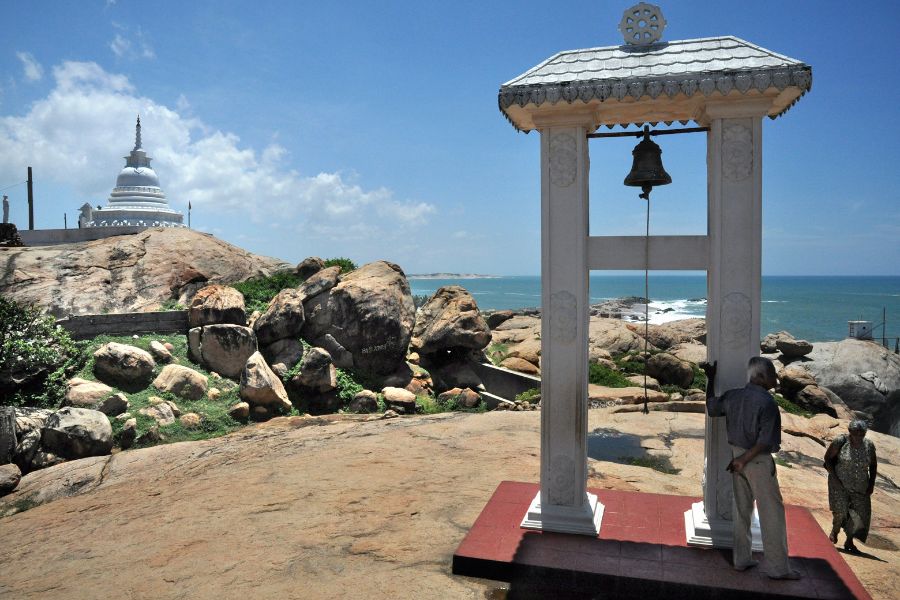
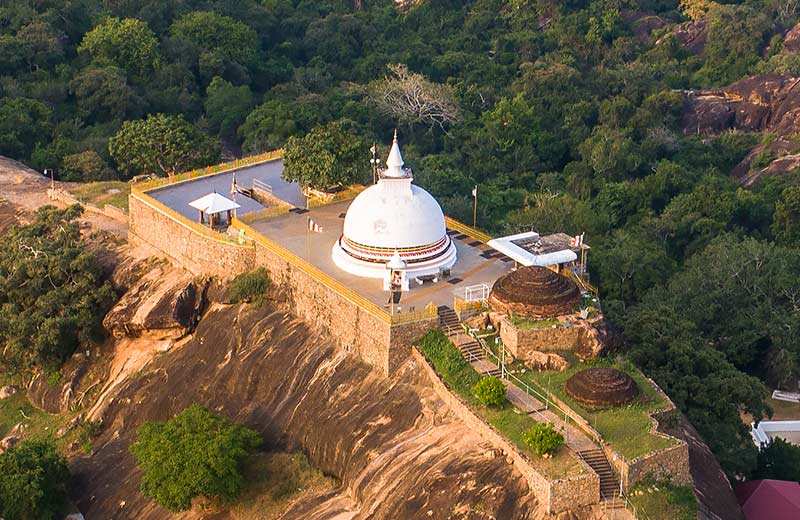
The park sits within a broader landscape of cultural and natural interest. Tissamaharama, with its ancient stupas and bird-rich tanks, makes an ideal base just to the north, whilst Kataragama's pilgrimage shrines lie nearby for those wishing to combine wildlife with spiritual discovery. The coastal stretch within and beyond the park boundary offers striking seascapes, and the monsoon rhythms of the region mean that each season paints Yala in a different palette—emerald after rains, amber and gold in the dry months.
Conservation and responsible tourism are increasingly important themes for Yala. The park's popularity has placed pressure on its habitats and animals, and British travellers can contribute positively by choosing operators who follow park regulations, limit vehicle numbers around sightings, and employ local naturalists who understand the ecology they share with guests. Avoiding peak holiday congestion where possible also improves both the visitor experience and the welfare of the wildlife.
For British holidaymakers who have dreamed of an African-style safari within reach of a broader Sri Lankan tour, Yala delivers with remarkable intensity. It asks for early mornings, dusty clothes and a willingness to wait—but the reward, when a leopard turns its gaze towards your jeep, or an elephant family crosses the track ahead, is simply unforgettable. Yala is wild Sri Lanka at its most compelling, and a highlight of any well-planned journey through the island.
Practical planning enhances every Yala safari. The main season runs from February to July, when dry conditions concentrate wildlife around water sources, though the park may close briefly during September for maintenance. British visitors should pack neutral-coloured clothing, a hat, sunscreen and a light jacket for early-morning starts. Binoculars and a camera with a telephoto lens greatly improve the experience, whilst patience remains the most important item of all. Staying near Tissamaharama minimises transfer times and maximises time on the tracks.