Southern Province
Weligama
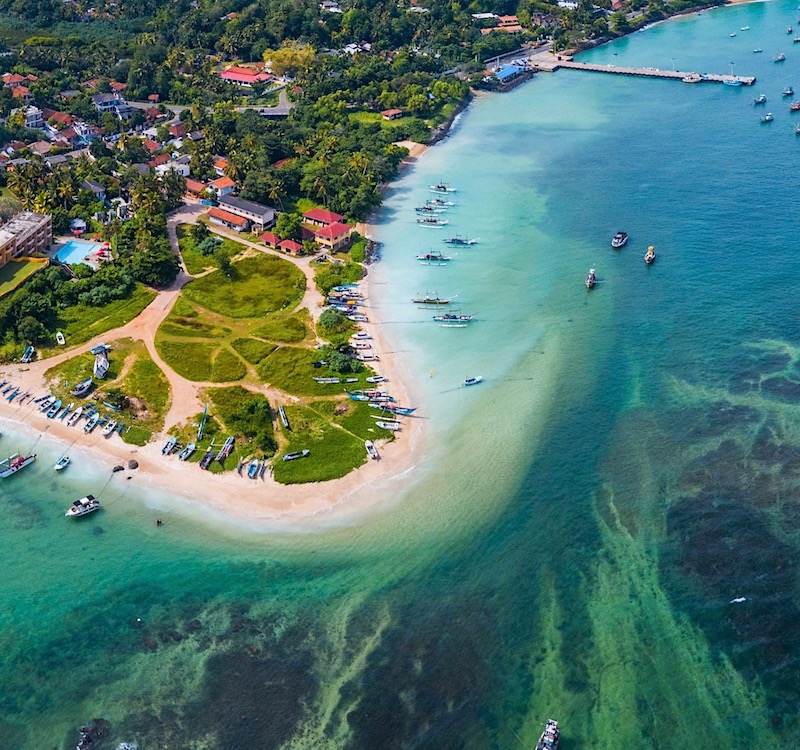
Weligama, on Sri Lanka's south coast, is a town that has become synonymous with three things: surfing, stilt fishermen, and a broad, welcoming bay that suits learners and experts alike. For British travellers seeking an accessible introduction to Sri Lankan beach life — with the iconic image of fishermen perched on cross-legged poles never far from view — Weligama offers an experience that is photogenic, friendly, and increasingly well served by accommodation and dining options. It sits between the sophistication of Galle and the surf culture of Mirissa, carving out its own identity as a destination that welcomes all comers.
The bay at Weligama is sheltered and forgiving, with gentle waves that make it one of the best places in Sri Lanka to learn to surf. Numerous surf schools operate along the beach, offering lessons, board hire, and advice for beginners. More experienced surfers find additional breaks nearby, including the reef break at Weligama Bay itself and the more challenging waves at neighbouring beaches. The season runs from November to April, when the southwest coast enjoys calm seas and consistent swell.
The stilt fishermen of Weligama are among the most photographed subjects in Sri Lanka. Perched on wooden poles driven into the reef, they cast their lines into the shallow water in a tradition that has become emblematic of the south coast. While the practice has evolved with tourism — some fishermen now accept tips for photographs — the image remains a powerful symbol of coastal Sri Lankan life. Early morning and late afternoon offer the best light and the most active scenes.
Weligama's town centre is compact and walkable, with guesthouses, cafés, and restaurants catering to the international crowd that has discovered the bay. Dining ranges from beachfront seafood grills to cafés serving smoothie bowls and Western breakfasts alongside Sri Lankan staples. The atmosphere is relaxed and youthful, drawing surfers, digital nomads, and travellers who appreciate a town that feels lived-in rather than purely resort-oriented.
Beyond the bay, Weligama serves as a base for exploring the south. Galle Fort is thirty minutes away by road, Mirissa and its whale-watching operators are to the west, and Tangalle's quieter beaches lie to the east. The inland town of Akuressa and the rubber plantations of the low country offer a change of scenery for those who wish to venture beyond the coast.
Accommodation in Weligama spans budget surf lodges to boutique villas and small hotels with sea views. The town has grown considerably in recent years, but retains a village scale that prevents it from feeling overwhelming. Tuk-tuks and scooters are the standard means of local transport, though many visitors simply walk the bay.
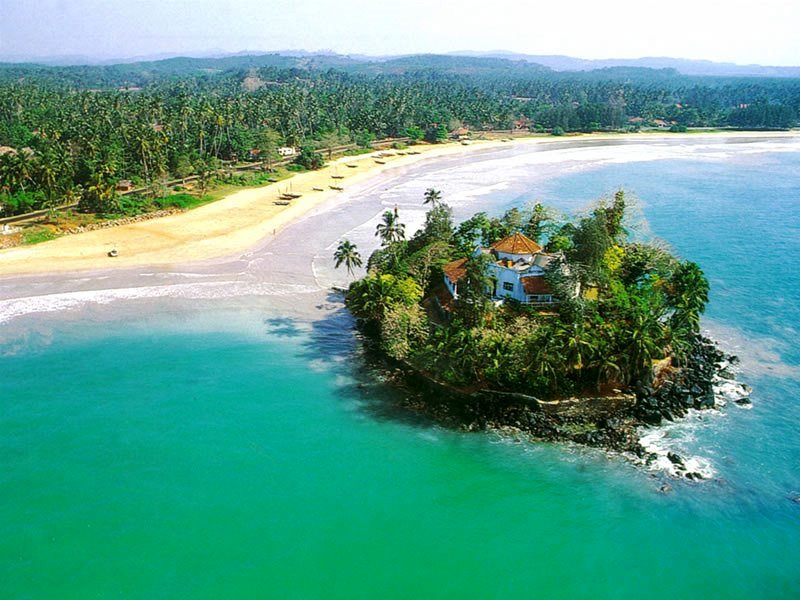
Surf lessons typically last two hours and include board hire — book early in the season for the best instructor availability. When photographing stilt fishermen, ask permission and offer a small tip if requested; a respectful approach preserves goodwill on both sides. Taprobane Island, the tiny dome-topped islet visible from the bay, occasionally opens for tours and adds a touch of eccentric history to the waterfront. Yoga studios and cafés catering to international tastes have multiplied along the main road, reflecting Weligama's growing community of long-stay visitors.
November to April offers the finest combination of swell and weather, though Weligama remains active outside peak months. The drive from Colombo via the Southern Expressway takes approximately two and a half hours, with Galle and Mirissa both within easy reach for day trips. For British travellers building a south-coast itinerary, Weligama works equally well as a base or a stopover between Galle and Tangalle.
For British surfers, photographers, and beach lovers, Weligama is a south-coast essential.