Eastern Province
Trincomalee
Trincomalee, on Sri Lanka's east coast, is a city shaped by one of the finest natural harbours in the world — a deep, sheltered bay that has attracted traders, colonisers, and pilgrims for centuries. Today, it offers British travellers a compelling mix of history, Hindu temple culture, whale watching, and access to some of the island's most beautiful beaches. For those exploring the east, Trincomalee serves as both a destination in its own right and a gateway to Nilaveli, Pasikudah, and the wider region.
Koneswaram Temple, perched on Swami Rock above the harbour, is one of the most dramatic religious sites in Sri Lanka. Dedicated to Lord Shiva, the temple's gopuram rises above the cliff edge, and the view over the Indian Ocean is breathtaking. The temple's history stretches back more than a millennium, and its restoration after years of conflict has returned it to prominence as a centre of Hindu worship and pilgrimage. The nearby Lover's Leap, a cliff with a tragic legend attached, adds to the site's mystique.
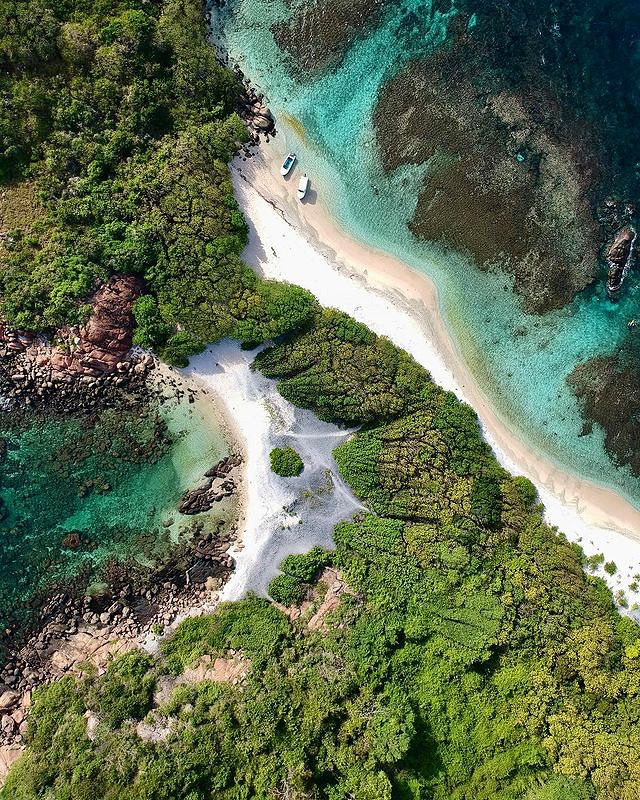
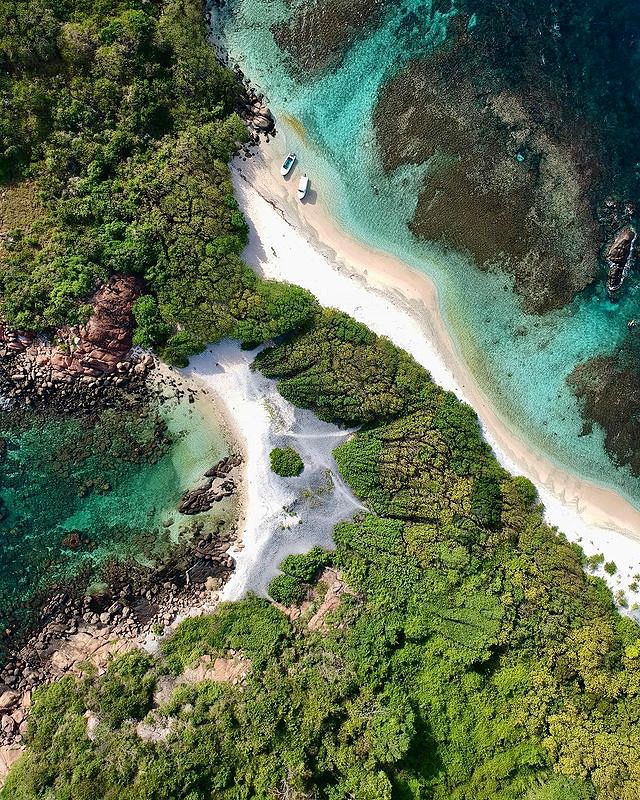
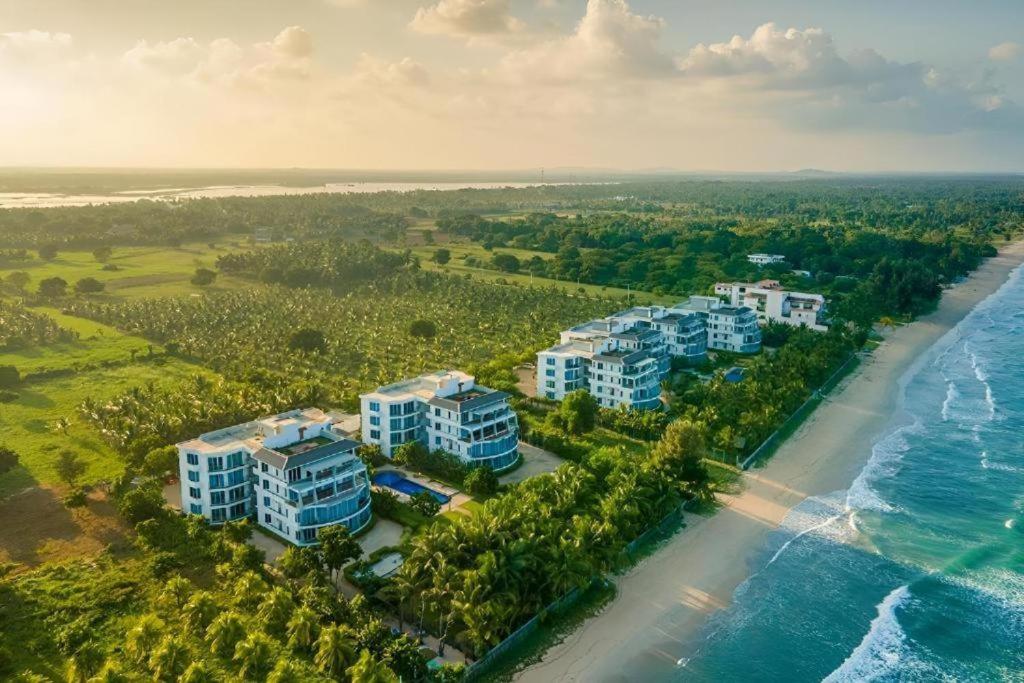
Trincomalee's beaches are among the best on the east coast. Uppuveli and Nilaveli, just north of the city, offer long stretches of sand and calm swimming during the season from May to September. The city itself has a relaxed, slightly faded charm, with colonial buildings, a bustling fish market, and a waterfront that reflects its maritime heritage. Fort Frederick, built by the Portuguese and occupied by the Dutch and British, encloses the temple and offers a walk through layered history.
Whale watching has become one of Trincomalee's signature experiences. Blue whales and sperm whales are regularly sighted offshore between March and August, and dolphin pods often accompany boats into deeper water. Operators based in the city run responsible tours that prioritise animal welfare while offering visitors the thrill of encountering the largest creatures on earth in their natural habitat.
The city's population reflects the diversity of the east — Sinhalese, Tamil, and Muslim communities coexist, and this plurality is evident in the temples, mosques, and churches that dot the urban landscape. Dining options range from fresh seafood at local restaurants to the more refined offerings of beachside resorts. Accommodation spans budget guesthouses to comfortable mid-range and luxury options.
Trincomalee is reached by road from Colombo — a journey of several hours — or by domestic flight. The east-coast season makes it an ideal choice when the southwest is in monsoon, particularly for British travellers planning summer holidays.
Whale-watching operators depart early in the morning, when sea conditions are calmest and sightings most likely. Choose licensed operators who maintain respectful distances from marine life. At Koneswaram Temple, dress modestly and remove shoes before entering — the cliff-edge setting demands caution as well as reverence. Fresh seafood dominates dining, from lagoon crab to grilled tuna at beachfront restaurants in Uppuveli and Nilaveli. Allow three or four days to combine harbour history, temple visits, whale watching, and beach time without rushing.
The Kanniya hot springs, seven natural wells of varying temperature, offer an unusual detour steeped in local legend. Fort Frederick's deer roam freely among visitors, adding an unexpected charm to the walk up to Koneswaram. Trincomalee's renaissance as a tourism destination feels earned — a city that endured difficulty and now shares its harbour, temples, and beaches with a growing community of appreciative visitors.
For those who seek harbour views, temple grandeur, marine wildlife, and beaches of exceptional beauty, Trincomalee is indispensable. It is a city that rewards exploration and offers a side of Sri Lanka that remains unfamiliar to many — yet is no less captivating for that.