Southern Province
Tissamaharama
Set on the edge of Sri Lanka's great southern dry zone, Tissamaharama is a quietly compelling town where ancient history, sacred lakes and safari country converge. Often overlooked by travellers rushing straight to Yala National Park, Tissa—as it is affectionately known—deserves time in its own right. For British visitors building a wildlife and culture itinerary through the south, it offers the perfect staging post: a place to acclimatise to the heat, explore centuries-old monuments, and enjoy birdlife-rich reservoirs before heading into the bush at dawn.
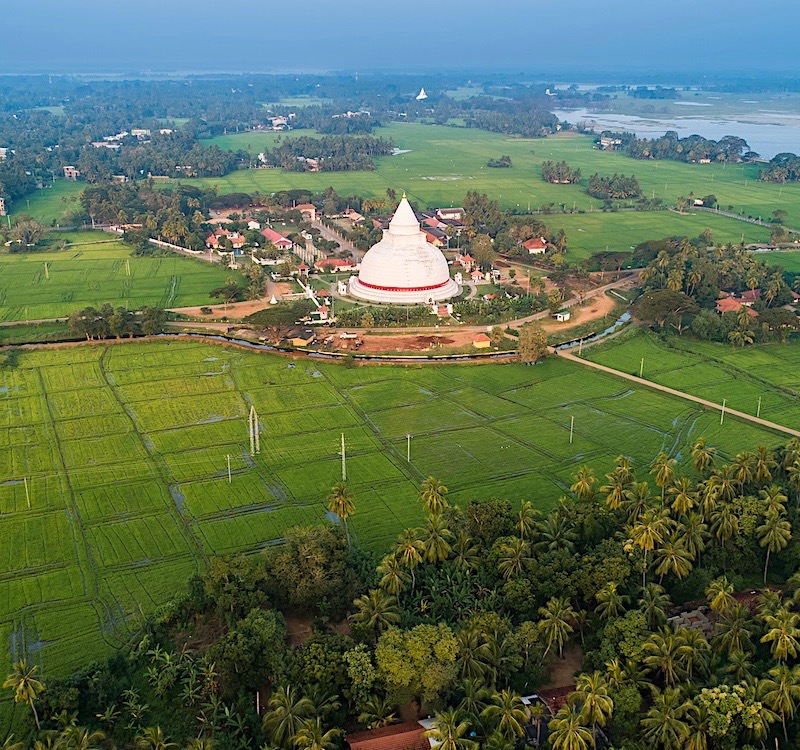
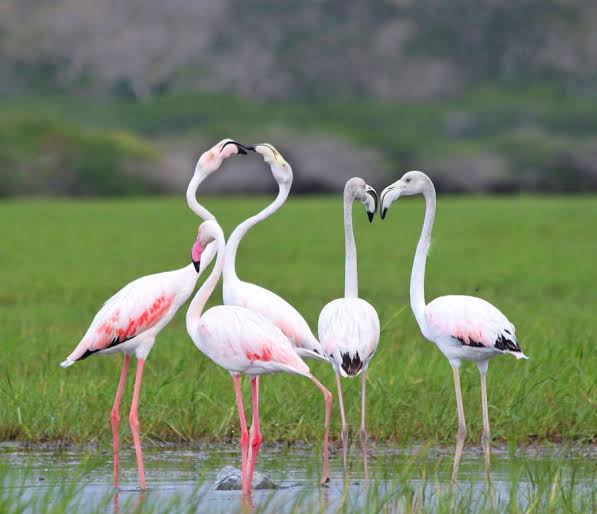
The town's heritage is immediately visible in its two magnificent stupas, the Tissamaharama Raja Maha Vihara and the Yatala Vehera, both dating back more than two thousand years to the Ruhuna kingdom. Standing beside these towering white dagobas at sunset, with egrets drifting across the water and the air cooling after a warm day, is one of southern Sri Lanka's most memorable experiences. The surrounding tanks—man-made lakes engineered in antiquity—remain vital to local agriculture and wildlife alike. Tissa Wewa, in particular, attracts large numbers of water birds, including painted storks, herons and ibis, making an evening walk along its banks both peaceful and rewarding for nature enthusiasts.
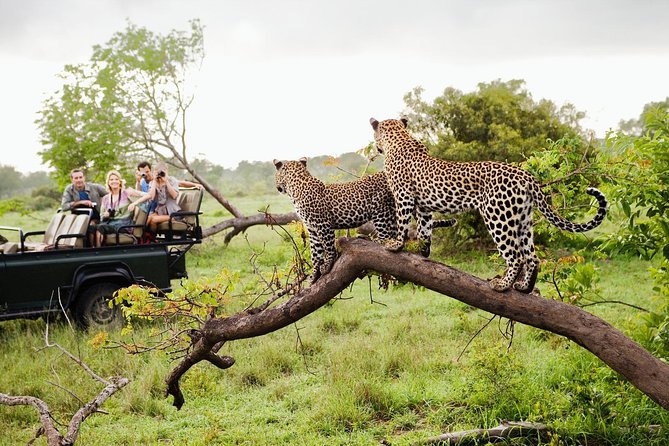
Tissamaharama's greatest practical appeal is its role as the gateway to Yala National Park. Most safari operators and lodges are based here or nearby, and the pre-dawn departure for leopard country feels all the more atmospheric when you have already spent a day absorbing the town's slower rhythms. Yet Tissa is not merely a transit point. Bundala National Park, a Ramsar wetland site celebrated for migratory birds and coastal lagoons, lies within easy reach, as does the sacred pilgrimage town of Kataragama. Together, these destinations form a rich triangle of wildlife, faith and landscape that defines this corner of the island.
Accommodation in Tissamaharama ranges from comfortable guesthouses in the town centre to safari lodges and boutique hotels on the outskirts, many set within gardens where peacocks and monitor lizards are regular visitors. Dining is straightforward and satisfying, with local rice and curry, fresh lake fish and tropical fruit readily available. The atmosphere is unpretentious and genuinely Sri Lankan—a welcome contrast to the more polished resort strips of the west and south-west coasts.
Historically, Tissa was the capital of the ancient Ruhuna kingdom, and that legacy still shapes the town's identity. British travellers with an interest in archaeology and irrigation engineering will find the tank system especially fascinating: these vast reservoirs, still in use after more than two millennia, illustrate the sophistication of early Sinhalese civilisation. Information boards and local guides help bring the history to life without overwhelming a relaxed visit.
For British travellers who value depth over hurry, Tissamaharama rewards a night or two before or after safari. It connects you to the ancient engineering and Buddhist devotion that shaped the Ruhuna kingdom, whilst placing you within striking distance of some of Asia's finest leopard and elephant viewing. Whether you come for history, birdwatching or the thrill of the chase, Tissa offers a sense of place that elevates the entire southern Sri Lankan journey.
Practical planning is straightforward for British visitors. Tissamaharama lies on well-maintained roads linking the south coast, hill country and Yala, making it an easy addition to most itineraries. The dry season from roughly February to September offers the best combination of safari conditions and comfortable sightseeing weather. Book safari jeeps in advance during peak holidays, and consider combining a morning drive to Yala with an afternoon walk around Tissa Wewa. Binoculars and comfortable walking shoes complete a sensible packing list.