Southern Province
Tangalle
Further along Sri Lanka's south coast, beyond the busier bays of Unawatuna and Mirissa, Tangalle offers British travellers a more spacious and contemplative vision of tropical beach life. Known for its long stretches of sand, quiet coves and a growing collection of boutique and luxury resorts, Tangalle has become the destination of choice for those who want the beauty of the southern coastline without the density of development found closer to Galle. The pace here is slower, the horizons wider, and the sense of escape altogether more complete.
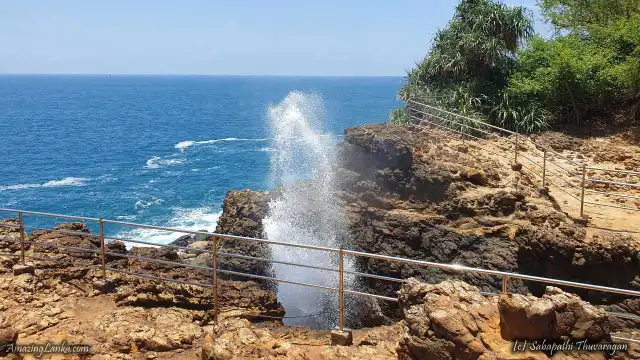
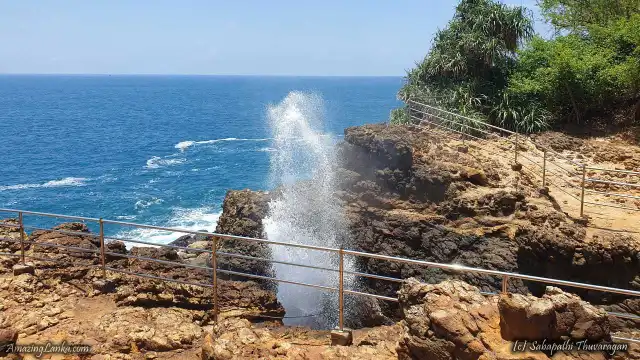
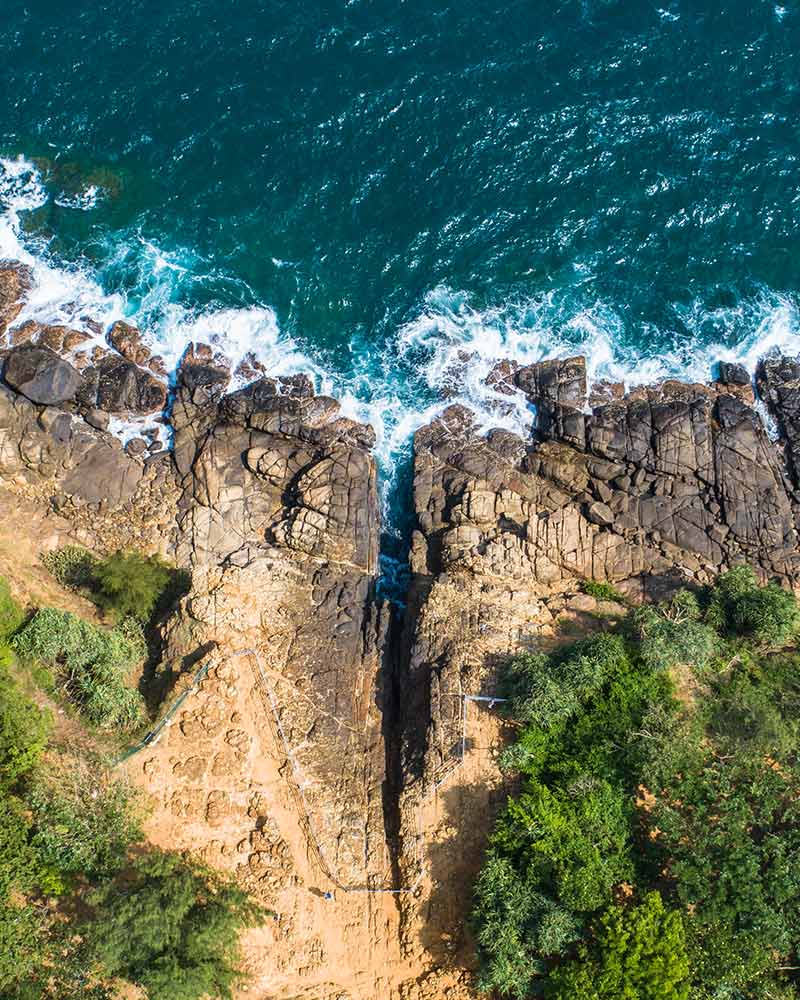
The beaches are Tangalle's greatest asset. Medilla Beach, Goyambokka and the broad sweep of Tangalle Bay provide miles of sand where morning walks, afternoon swims and sunset contemplation can unfold in near solitude outside peak weekends. Some sections are sheltered and calm; others catch more swell, appealing to surfers and bodyboarders who prefer a quieter break than Weligama or Arugam Bay. Rocky outcrops, coconut plantations and fishing boats pulled up on the shore give the coastline an authentic character that photography-minded visitors will appreciate.
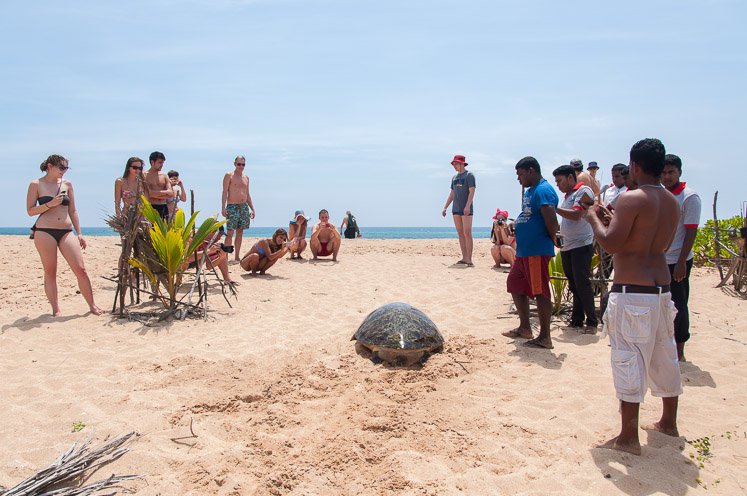
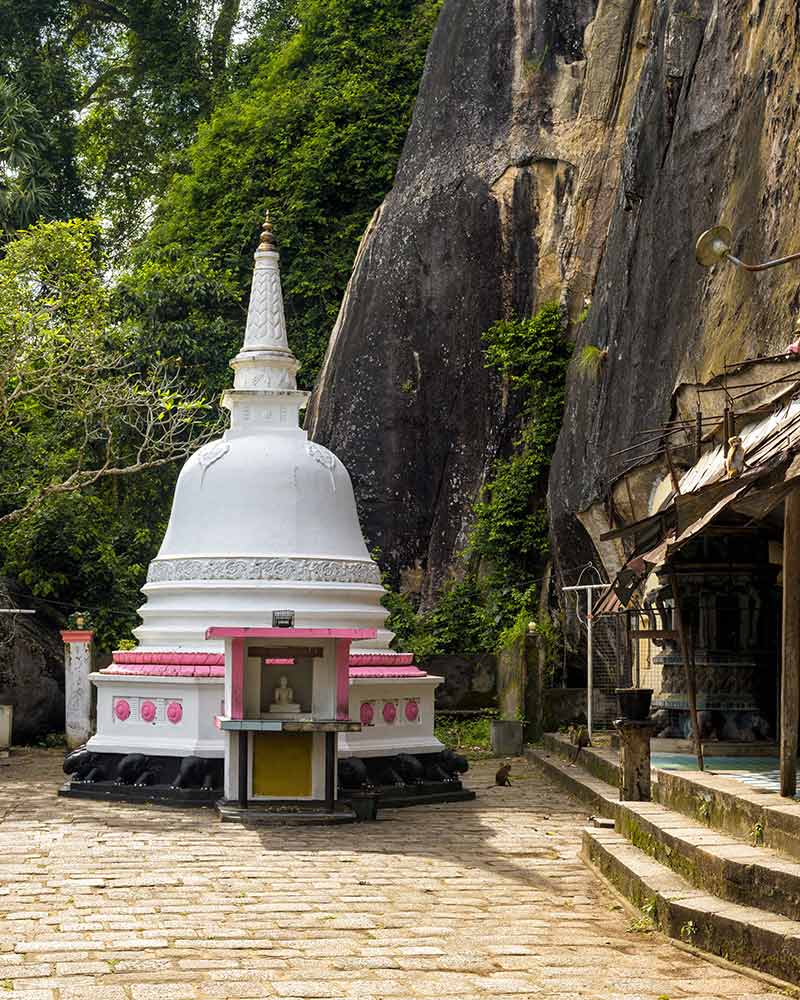
Tangalle also serves as a gateway to some of southern Sri Lanka's most rewarding inland experiences. Rekawa Beach, a short drive away, is one of the island's most important turtle nesting sites, where night-time visits with responsible guides offer the chance to witness marine conservation in action. Udawalawe and Bundala national parks are reachable for day safaris, whilst the ancient stupas of Tissamaharama and the pilgrimage town of Kataragama lie within a few hours' drive, allowing British travellers to weave wildlife, culture and coast into a single, unhurried itinerary.
Accommodation in Tangalle tends towards the higher end of the market, with architect-designed villas, eco-resorts and small luxury hotels set in coconut groves or on cliff tops overlooking the ocean. Many properties emphasise sustainability, local sourcing and privacy—appealing to honeymooners, anniversary couples and families seeking a refined base rather than a packed resort complex. Dining is increasingly sophisticated, with chefs blending Sri Lankan ingredients and international technique, though simple beachside rice and curry remains available for those who prefer it.
The town of Tangalle itself is modest—a working fishing and market community rather than a tourist hub—which helps preserve the area's unforced atmosphere. Supply runs, temple visits and conversations with fishermen ground the visitor experience in everyday Sri Lankan life, a reminder that even the most beautiful coastlines are places where people live and work, not merely holiday backdrops.
For British travellers who have done the fort towns and surf bays and now seek a south-coast stay that prioritises space, beauty and quiet, Tangalle is the answer. It is not the liveliest beach on the island, nor the cheapest—but it may be the most restorative. Long sands, warm water, thoughtful hospitality and the gentle rhythm of a coast still finding its balance between development and tranquillity combine to create a destination that feels both indulgent and genuinely Sri Lankan.
Practical advice for British visitors: Tangalle rewards a stay of at least three nights, allowing time to explore different beaches, visit Rekawa for turtle watching, and perhaps venture inland to Udawalawe or Tissamaharama without daily packing and unpacking. The dry season from November to April offers the finest beach weather, though the area remains appealing outside peak months for travellers who prioritise solitude over guaranteed sunshine. Hire a tuk-tuk or driver for local excursions, as public transport is limited and attractions are spread along the coast. Sun protection, light cover-ups for village visits and a torch for evening walks along unlit beaches complete a sensible packing list for this spacious and restorative corner of the south coast.