Central Province
Talawakelle
Talawakelle sits in the heart of Sri Lanka's tea country, a Central Province town surrounded by estates, waterfalls and the layered hills that define the island's interior. Located at roughly 1,070 metres above sea level along the main route between Hatton and Nuwara Eliya, it functions as both a working centre for the plantation industry and a convenient base for exploring some of the most scenic—and least hurried—corners of the highlands. British travellers often pass through without stopping, yet those who do discover a destination that balances authentic local life with immediate access to outstanding natural attractions.
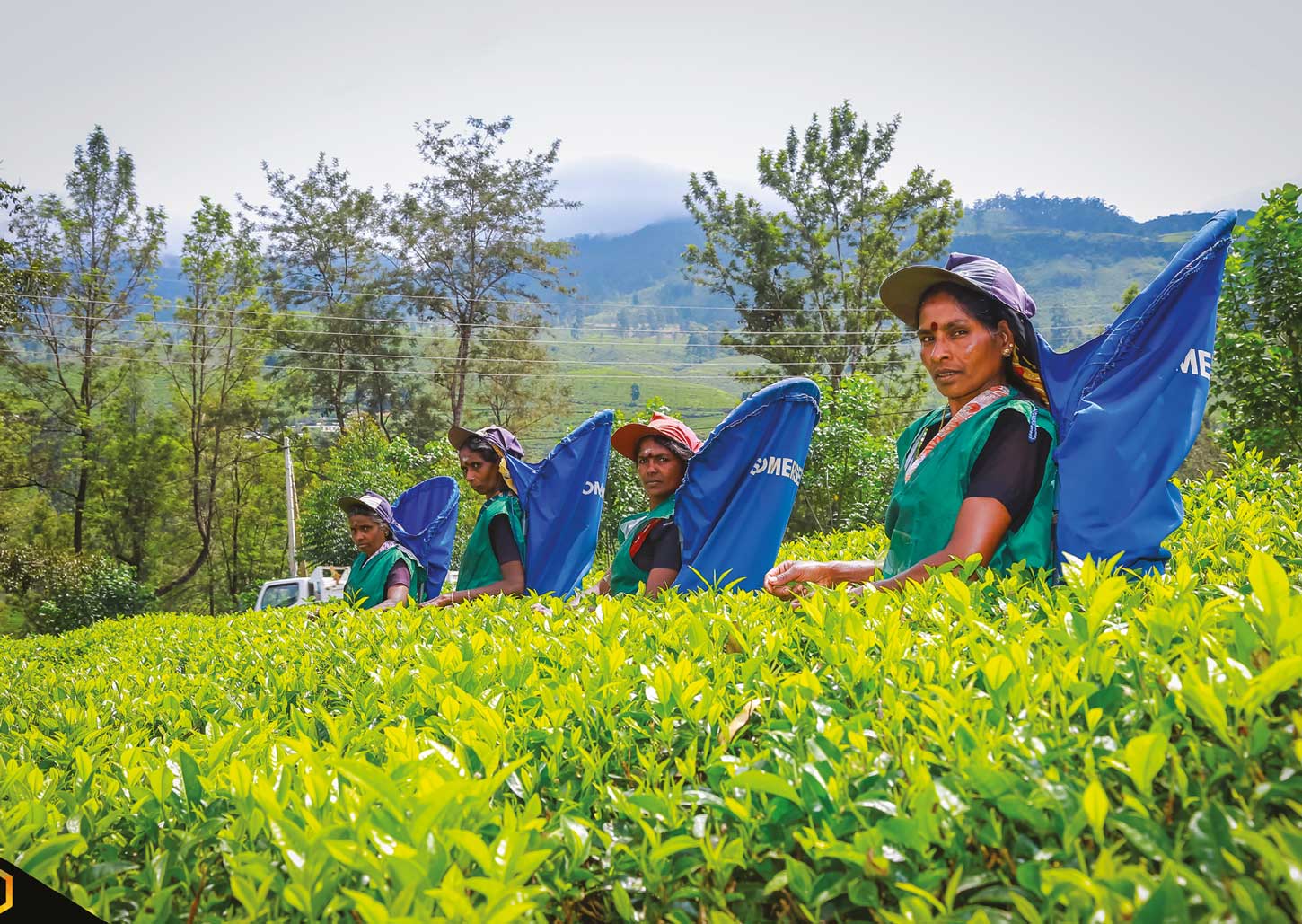
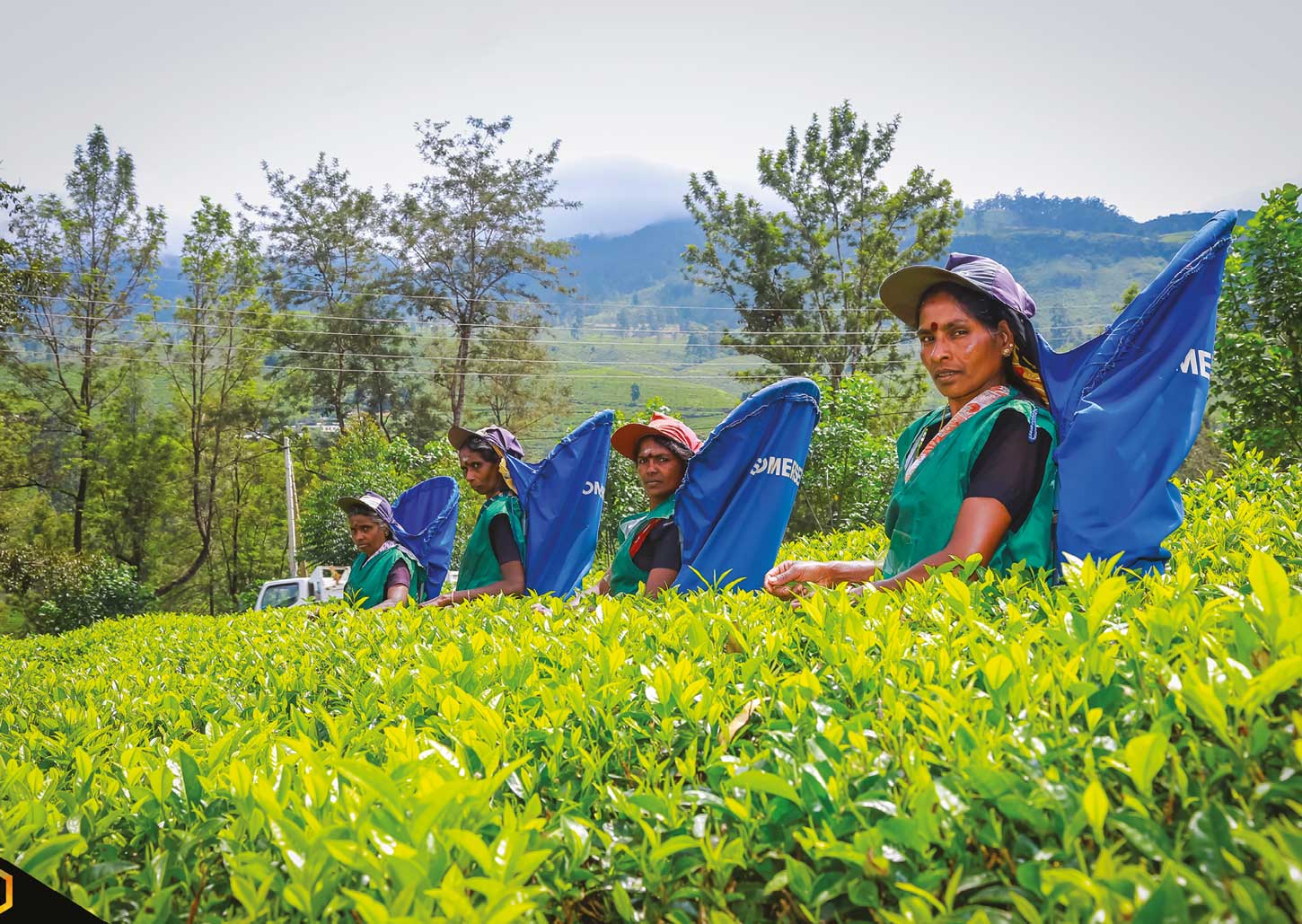
Tea estates dominate the landscape in every direction, and several factories in the vicinity welcome visitors for tours that trace the journey from leaf to packet. Watching withering, rolling, fermenting and drying demystifies the product that appears on breakfast tables back home, whilst tastings on verandas overlooking the fields provide a memorable pause in any itinerary. Talawakelle's climate is mild and damp, keeping the bushes a vivid green and supporting the steady rhythm of plucking that has continued here for more than a century. Conversations with factory staff often reveal how global demand, weather and local wages interact to shape an industry that remains central to Sri Lanka's export economy.
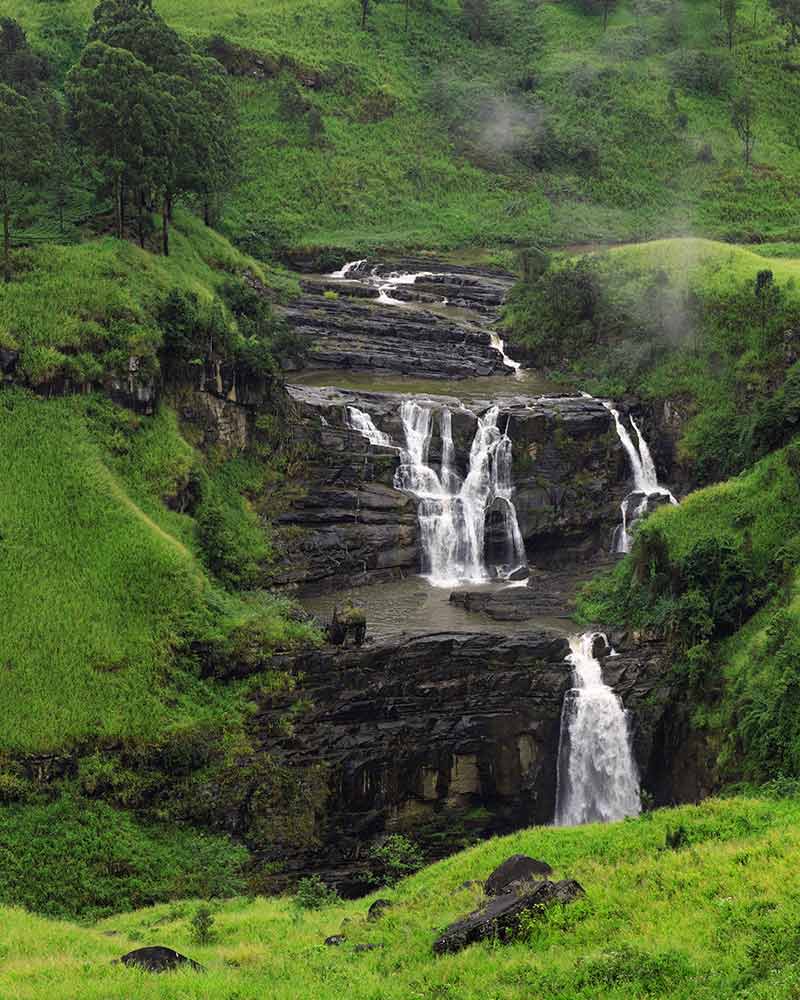
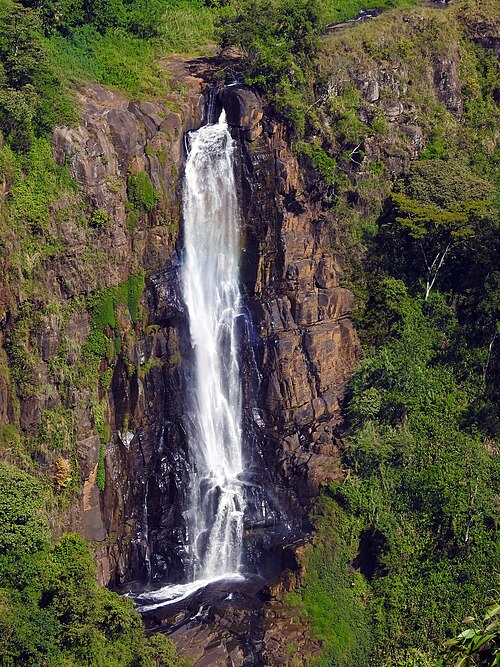
Waterfalls add drama to the surrounding hills. St Clair's Falls, sometimes called the Little Niagara of Sri Lanka, and Devon Falls are among the most accessible, visible from roadside viewpoints or reachable via short walks through estate land. After monsoon rains, volumes increase spectacularly, though mist and spray can obscure the base. Local guides can suggest lesser-known cascades for those with time to explore further, often combining forest paths with visits to small villages where tea and spice cultivation intermingle. Always seek permission before crossing private estate property, and avoid swimming in pools where currents and rocks create hidden hazards.
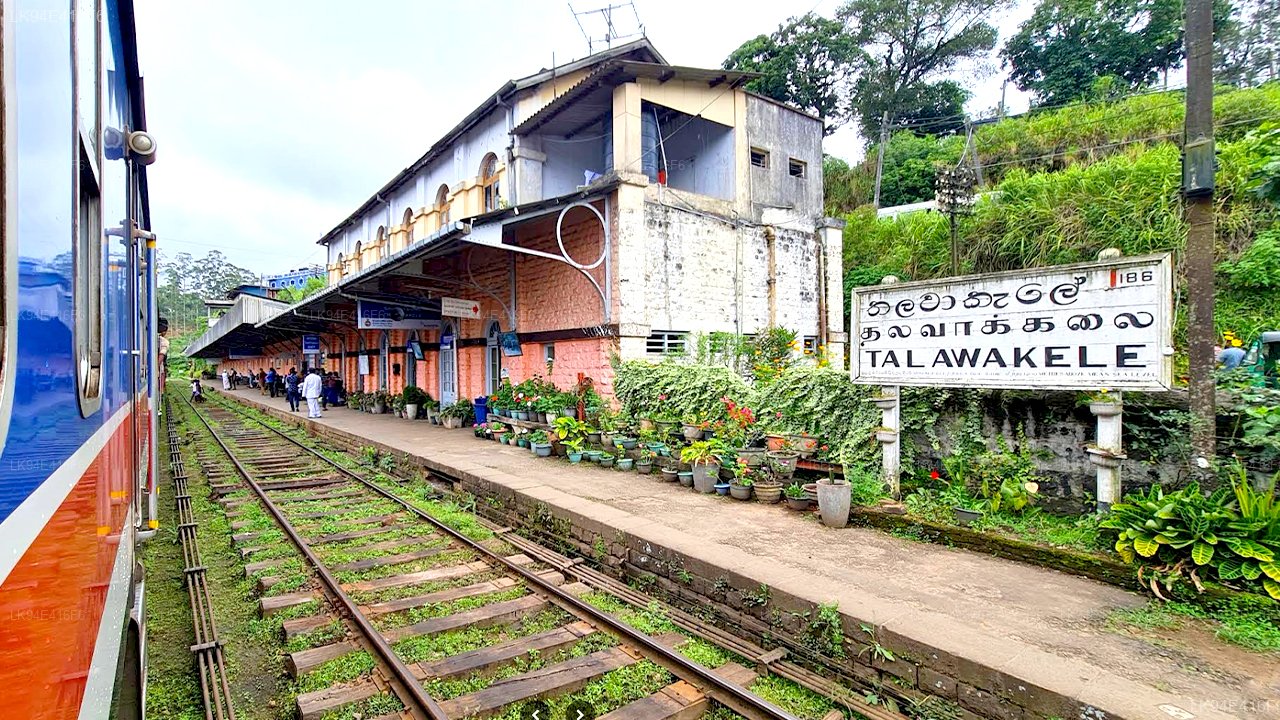
The town itself is compact and functional, with a railway station on the Kandy–Badulla line, markets supplying daily needs and guesthouses catering to transit passengers and estate visitors. Talawakelle lacks the boutique polish of Ella or the colonial trim of Nuwara Eliya, which is precisely part of its appeal for travellers seeking an unfiltered glimpse of upcountry Sri Lanka. Road and rail connections make it straightforward to continue towards Nuwara Eliya, Horton Plains or Adam's Peak country without lengthy detours. A night here breaks the journey intelligently, allowing you to reach Horton Plains at opening time after an early start.
Talawakelle also rewards those interested in the social history of plantation life. Tamil communities form a significant part of the local population, and temples, churches and schools reflect a multicultural highland society that developed alongside the tea industry. Respectful engagement with this heritage adds depth to what might otherwise be a purely visual experience of green hills and white waterfalls.
Talawakelle suits tea enthusiasts, waterfall chasers and motorists breaking a highland crossing into manageable stages. Allow at least a day for factory visits and falls, and consider an overnight stay if you plan early-morning estate walks or railway travel. British visitors will appreciate the combination of industry, scenery and accessibility that places Talawakelle firmly at the centre of the island's most celebrated landscape, even if it rarely dominates the guidebooks in its own right. Pause at a roadside viewpoint above St Clair's Falls with a freshly brewed cup, and the logic of stopping here rather than rushing through becomes immediately apparent. Talawakelle rewards travellers who treat the journey as part of the destination.