Central Province
Sigiriya
Sigiriya is among the most iconic archaeological sites in Asia, a UNESCO World Heritage fortress rising abruptly from the plains of the Central Province and visible for miles across the surrounding countryside. Known as Lion Rock, this fifth-century citadel combines engineering ambition, artistic sophistication and natural drama in a way that few ancient monuments can match. British travellers approaching along the road from Dambulla or Habarana see the monolith long before arrival, its flat summit and sheer walls prompting anticipation that the climb itself fulfils in full measure.
King Kasyapa established his capital here in the late fifth century AD, constructing a palace on the summit and elaborate gardens at the base. Visitors today ascend a series of staircases and metal walkways that cling to the rock face, passing the famous frescoes of the Sigiriya maidens—figures painted in a style that remains remarkably fresh despite centuries of exposure. A mirror wall once polished to reflect the king's procession now bears graffiti inscribed by medieval visitors, a tangible link across time. Midway, enormous lion paws flank the final ascent, remnants of a gateway that gave the rock its name. The frescoes are protected from photography in close proximity, which encourages visitors to look rather than scroll, a rare discipline in modern travel.
The summit reveals foundations of the palace, cisterns cut into stone and panoramic views over forest canopy, reservoirs and distant hills. On clear days the vista extends towards the Knuckles Range and beyond, illustrating why this position was chosen for both defence and display. The climb takes most visitors between one and two hours round trip, with shade limited on upper sections and heat considerable by mid-morning. Start early, carry water and wear secure footwear; those with vertigo should assess the exposed walkways before committing, though many find the structure reassuringly maintained. Rest platforms along the route allow pauses without blocking the flow of ascending and descending groups.
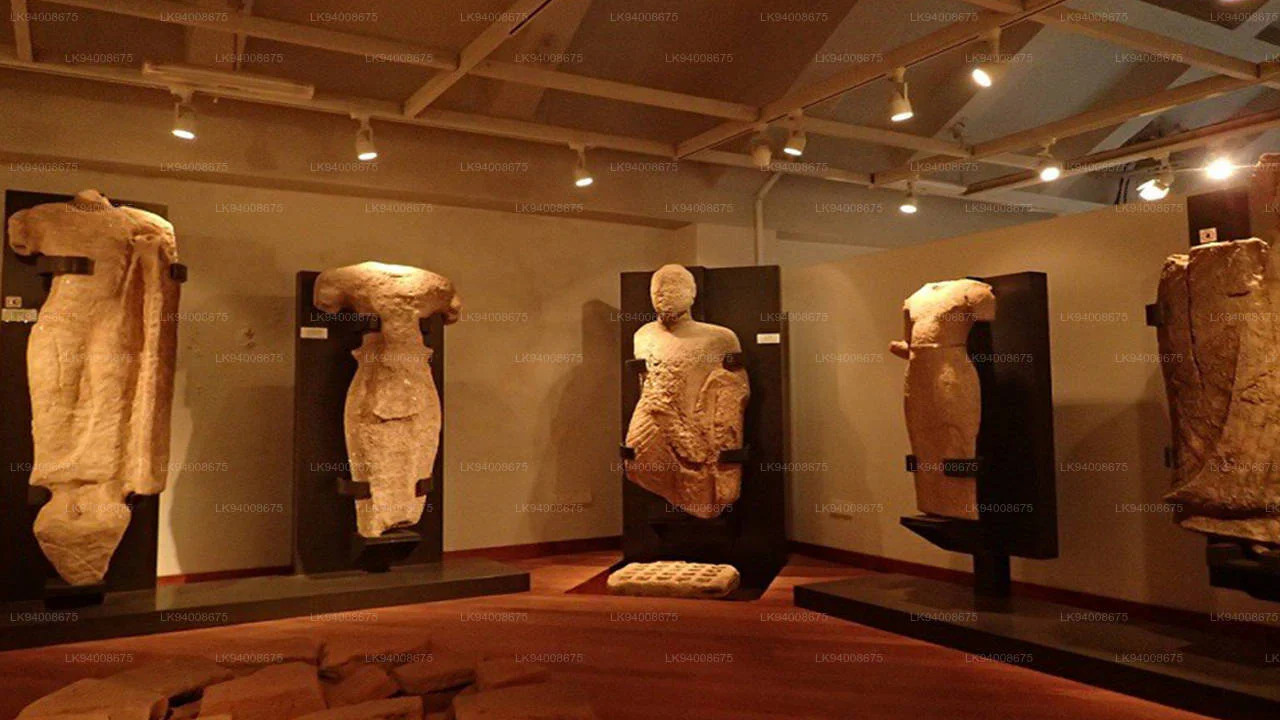
The surrounding area includes the Sigiriya Museum, which contextualises excavations and artefacts, and the water gardens at the base, where symmetrical pools, channels and terraces demonstrate advanced hydraulic design. Combined tickets often include nearby Pidurangala Rock, an alternative climb offering classic views of Sigiriya itself, particularly at sunrise or sunset. Accommodation clusters along the main road and in adjacent villages, ranging from eco-lodges to luxury resorts, making it easy to allocate a full day to the rock whilst basing yourself conveniently nearby. Pidurangala requires an early alarm but rewards photographers with the iconic silhouette of Sigiriya against a golden sky.
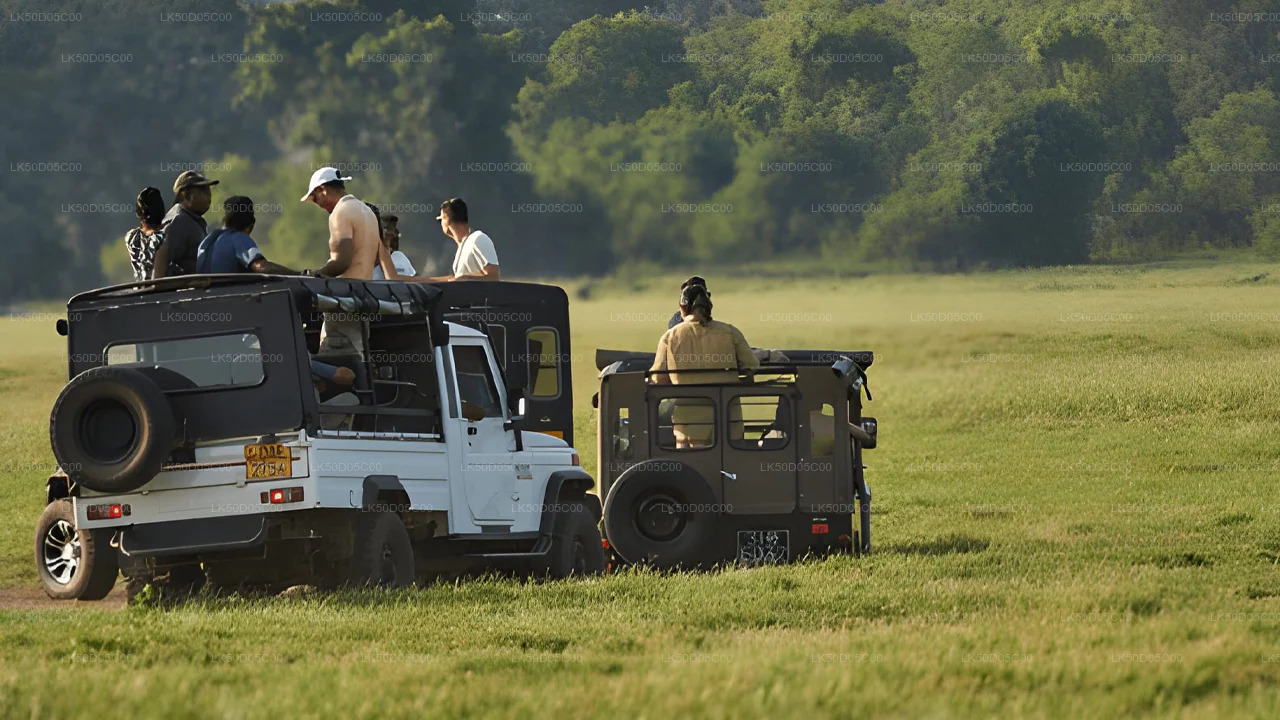
Sigiriya sits within easy reach of Minneriya and Kaudulla national parks, where seasonal elephant gatherings attract wildlife enthusiasts, and of Polonnaruwa's ancient city to the east. Combining rock, ruins and safari over two or three days creates a concentrated introduction to central Sri Lanka's historical and natural wealth. British visitors will recognise parallels with hill forts and palace ruins at home, yet find the scale, setting and survival of ancient art unlike anything in the British Isles.
Sigiriya suits history enthusiasts, photographers and anyone constructing a Cultural Triangle itinerary alongside Dambulla, Polonnaruwa and Minneriya. Treat the climb with respect, allow time to explore the gardens thoroughly, and Sigiriya will stand as the defining memory of central Sri Lanka—a monument that rewards preparation, early starts and a willingness to look up from the path towards views that explain why kings once chose to rule from the sky. Few sites in the tropics combine archaeological significance with such immediate visual drama, which is why Sigiriya remains essential for any first visit to the island.