Sabaragamuwa Province
Ratnapura
Known throughout Sri Lanka as the "City of Gems," Ratnapura sits in the lush Sabaragamuwa Province at the foot of the island's central hills, where rivers have washed sapphires, rubies and garnets from the earth for centuries. For British travellers intrigued by geology, craftsmanship and the romance of precious stones, Ratnapura offers a window into one of Sri Lanka's most distinctive industries—one that has supplied courts and jewellers across the world since antiquity. The town itself is busy and unpretentious, but the stories held in its gem pits, markets and workshops are anything but ordinary.
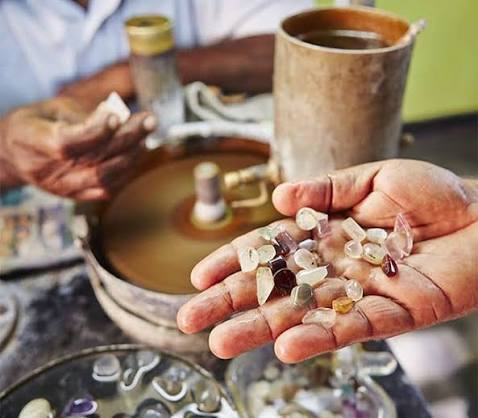
Gem mining here follows traditions shaped over generations. Visit a working mine—often a narrow shaft sunk beside a river or paddy field—and you may watch miners sift gravel by hand, searching for the flash of blue, yellow or pink that signals a find. Responsible tour operators arrange visits that prioritise safety and fair treatment of workers, allowing British visitors to observe without voyeurism. The Gemmological Museum and various showrooms in town provide further context, explaining how rough stones are cut, polished and graded before entering the international trade.
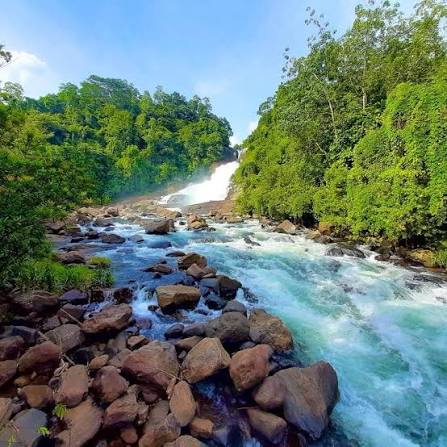
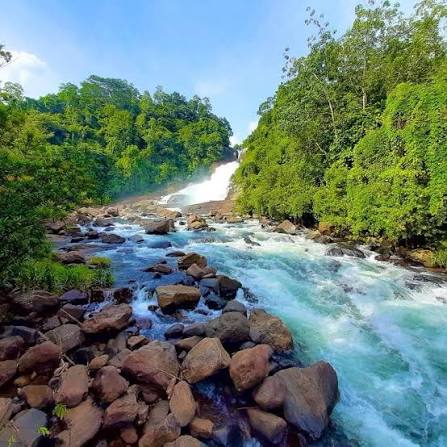
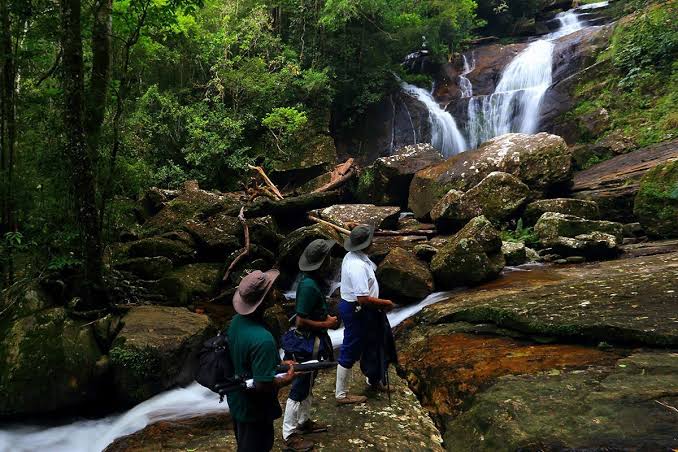
Ratnapura's natural setting is equally compelling. The province is threaded with waterfalls—Bopath Ella, near the town, is a popular excursion—and the approach roads wind through rubber plantations, rice paddies and forested hills that feel a world away from the coastal resorts. Sinharaja Forest Reserve lies within reach for those combining gem country with rainforest exploration, whilst the journey to Adam's Peak trailheads passes through landscapes of extraordinary green intensity during the monsoon months.
The town serves as a practical base for exploring Sabaragamuwa's broader attractions. Udawalawe National Park, famous for its elephants, is a manageable drive away, as are river trips and village walks in the surrounding countryside. Accommodation is modest but comfortable, with guesthouses and small hotels catering to gem traders and tourists alike. Dining offers authentic Sri Lankan fare—rice and curry, hoppers and fresh tropical fruit—without the mark-ups of more tourist-heavy destinations.
British visitors considering a purchase should exercise the same caution they would anywhere: buy from reputable dealers, request certification where appropriate, and treat bargaining as part of a relationship rather than a contest. Even if you leave without a stone, the education alone is worthwhile. Understanding how a sapphire travels from river gravel to engagement ring deepens appreciation for Sri Lanka's place in global gem history.
Ratnapura is not a destination of polished luxury, but of genuine industry and landscape. For travellers who enjoy looking beneath the surface of a country—literally, in this case—it is richly rewarding. The City of Gems reveals a Sri Lanka of rivers, labour, skill and occasional breathtaking luck, where the earth still yields treasures to those patient enough to search.
Practical advice for British visitors includes allowing at least a full day to explore mines, museums and nearby waterfalls without rushing. Transport from Colombo takes roughly three to four hours, and combining Ratnapura with Sinharaja or Udawalawe creates a rewarding Sabaragamuwa loop that balances industry, rainforest and open savannah. If purchasing gems, request documentation and buy only from established showrooms or dealers recommended by your guide or accommodation. Even without a purchase, the insight gained into cutting, grading and trade practices is fascinating. Lightweight rain gear is useful during monsoon months, when the surrounding hills are at their most lush and photogenic, and local guides can arrange responsible mine visits that prioritise safety and fair treatment of workers throughout your stay.