Western Province
Panadura
Panadura, a coastal town in Sri Lanka's Western Province, occupies a quiet corner of the island's southwest that is often passed by travellers heading to Galle or the southern beaches. Yet this unassuming settlement has played an outsized role in Sri Lankan history and continues to offer British visitors a blend of beach access, cultural heritage, and an authentic glimpse of provincial life within easy reach of Colombo. For those seeking a low-key coastal stop with genuine local character, Panadura deserves consideration.
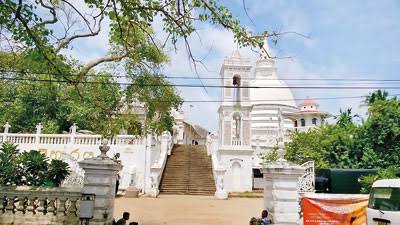
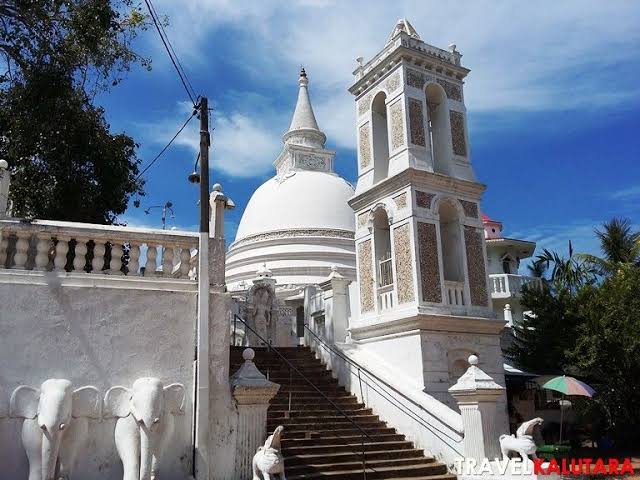
The town's historical significance centres on the Panadura Debate of 1873, a pivotal moment in the Buddhist revival movement when monks successfully defended Buddhist doctrine against Christian missionary challenges before a large public audience. A monument and museum commemorate the event, and the story is essential to understanding how modern Sri Lankan identity was shaped. The nearby Rankoth Viharaya, with its distinctive bell-shaped stupa, is an active temple that welcomes respectful visitors.
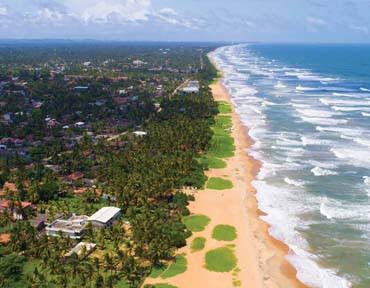
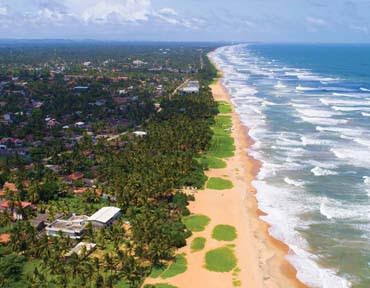
Panadura's coastline offers pleasant if not spectacular beaches, with sandy stretches suitable for walking, paddling, and watching local fishermen at work. The town is less developed than resorts further south, which means fewer tourists and a more everyday Sri Lankan atmosphere. For travellers who prefer their beach experience without large hotels and tour groups, Panadura provides a refreshing alternative. The sea can be lively during the southwest monsoon, so the drier months from November to April are generally preferable for bathing.
The town serves as a practical base for exploring the Western Province. Colombo is approximately an hour away by road or rail, and the Southern Expressway puts Galle within reach for day trips. Bentota, with its lagoon cruises and water sports, lies to the south, while inland attractions such as the Brief Garden and the Madu Ganga estuary are accessible by short drives. Panadura's railway station connects it to the scenic coastal line, making it a convenient stop for travellers journeying by train.
Accommodation in Panadura is modest, with guesthouses and small hotels catering primarily to domestic travellers and those passing through. Dining options include local rice and curry, fresh seafood, and the sort of no-frills eateries that offer an honest taste of Sri Lankan daily fare. The town's markets and shops serve local needs rather than tourist demands, which is precisely part of its appeal.
Panadura will not suit every traveller. It lacks the boutique charm of Galle Fort or the surf culture of Hikkaduwa. What it offers instead is authenticity — a coastal town that has witnessed important history and continues to live by the rhythms of the sea and the railway.
The coastal train from Colombo stops at Panadura regularly, making it an easy addition to an itinerary without a private vehicle. From here, tuk-tuks connect to the beach and local landmarks, including the debate monument and Rankoth Viharaya. Sunday evenings bring families to the shore, creating a convivial atmosphere that offers a window into suburban Sri Lankan leisure. Accommodation is limited but adequate for a night or two, and Colombo's broader hotel options remain within reach for those who prefer a base in the capital with occasional coastal excursions.
November to April brings the most reliable beach weather, though the town remains pleasant year-round for cultural visits. Panadura's role in Buddhist revival history makes it particularly meaningful for travellers interested in religion and identity in modern Sri Lanka — a thoughtful counterpoint to the ancient capitals of the Cultural Triangle. Local rice and curry lunches at modest eateries provide an honest taste of everyday western-province cooking after a morning at the monument or temple.
For British visitors with time to spare and an interest in the layers beneath the tourist surface, Panadura is a worthwhile pause on the road south.