Eastern Province
Nilaveli
Stretching along Sri Lanka's east coast north of Trincomalee, Nilaveli is a beach destination defined by crystal-clear waters, powder-soft sand, and a sense of tranquillity that has made it a favourite among travellers seeking unspoiled coastal beauty. For British visitors drawn to swimming, snorkelling, and the simple pleasure of a pristine shoreline, Nilaveli offers an east-coast alternative to the busier resorts of the south, with conditions that are often at their best when the southwest is in monsoon.
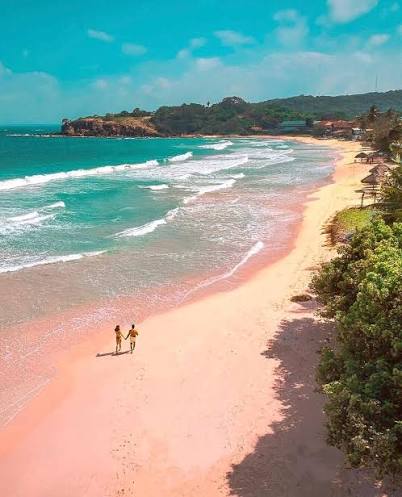
The beach at Nilaveli extends for kilometres, wide and gently shelving into shallow, turquoise water that is ideal for bathing. The calm seas during the east-coast season — roughly from May to September — create conditions that suit families and relaxed holidaymakers as much as they do more adventurous travellers. The light here has a clarity that photographers cherish, and sunsets over the Bay of Bengal are spectacular.
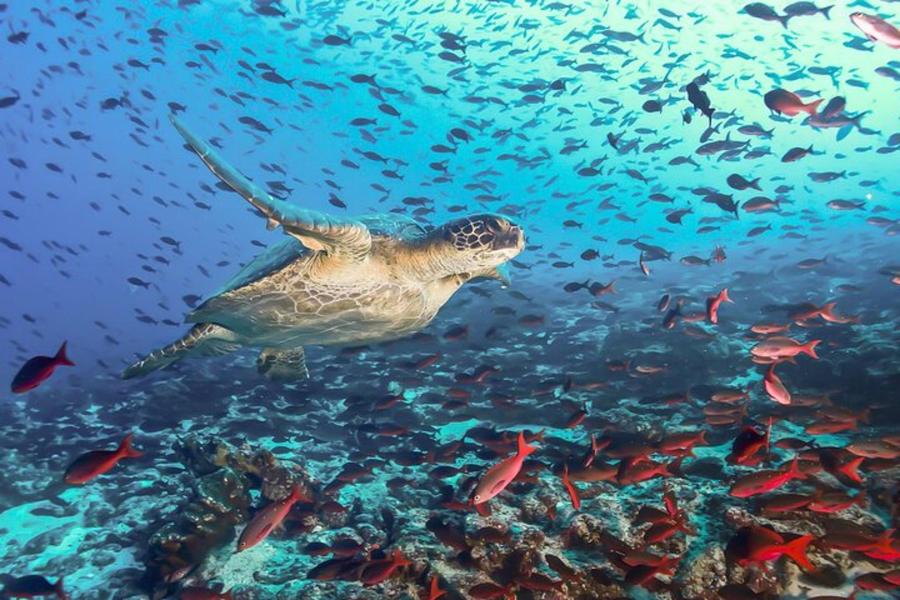
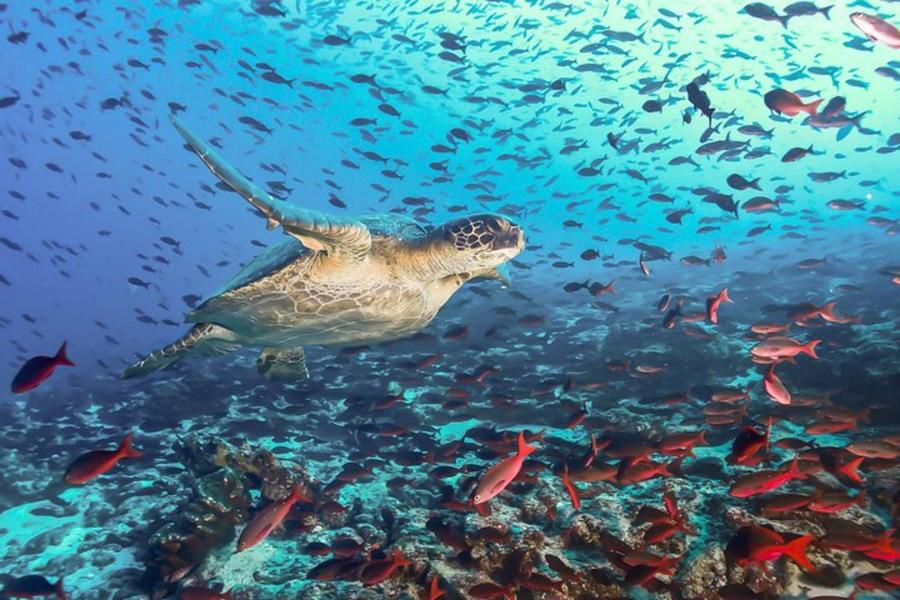
The highlight of any visit to Nilaveli is Pigeon Island National Park, a short boat ride offshore. This small island, named for the rock pigeons that nest among its boulders, is one of Sri Lanka's two marine national parks and offers exceptional snorkelling among coral reefs teeming with tropical fish. The water is remarkably clear, and the experience of swimming above living coral in the Indian Ocean is one that stays with visitors long after they leave. Boat operators in Nilaveli arrange trips to the island, often combining snorkelling with time on the beach.
Nilaveli itself remains relatively low-key, with a scattering of guesthouses, small hotels, and eco-resorts rather than large-scale development. Dining is centred on fresh seafood and Sri Lankan staples, served in open settings that make the most of the sea breeze and ocean views. The atmosphere is peaceful, particularly compared with Trincomalee, which lies a short drive to the south and offers additional dining and supply options.
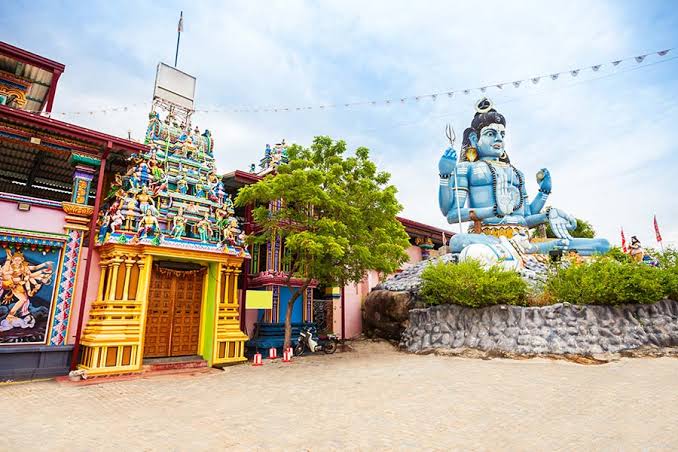
The wider area rewards exploration. Trincomalee's natural harbour, Koneswaram Temple, and whale-watching opportunities are within easy reach, as are the hot springs at Kanniya. For those interested in history, the region's Tamil and colonial heritage adds depth to a beach holiday.
Nilaveli is best reached via Trincomalee, either by road from Colombo — a journey of several hours — or by domestic flight to the nearby airport. The east-coast season makes Nilaveli an excellent choice for summer holidays when the south-west is wetter.
Snorkelling trips to Pigeon Island require a park permit, arranged by boat operators who provide equipment and guidance. Arrive early for the clearest water and fewest visitors. Reef-safe sunscreen is essential, and touching coral is strictly prohibited. Beachwear is fine on the sand, but cover up when passing through local villages out of respect for community norms. Small supermarkets and restaurants in Nilaveli and Trincomalee supply essentials, though planning ahead for specific dietary needs is sensible.
Accommodation ranges from simple beach cabanas to comfortable mid-range hotels with sea-facing verandas. The pace is deliberately slow — this is a destination for reading, swimming, and watching fishing boats trace the horizon at dusk. Combined with a few days in Trincomalee for temples and whale watching, Nilaveli forms the beach component of an east-coast itinerary that British travellers increasingly favour for July and August escapes. Early-morning swims, when the bay is mirror-still and the heat has not yet built, are among the simplest pleasures of a Nilaveli stay.
For British travellers seeking white sand, clear water, and a pace of life governed by the tide, Nilaveli is among the finest choices on the island. It is a place to unwind completely and remember why Sri Lanka's east coast inspires such devotion.