North Central Province
Mihintale
Perched on a forested hillside in the North Central Province, Mihintale holds a place of unique honour in Sri Lankan history as the birthplace of Buddhism on the island. According to tradition, it was here in the third century BC that Mahinda, the son of the Indian Emperor Ashoka, met King Devanampiyatissa and introduced the teachings of the Buddha to Sri Lanka. For British travellers interested in the spiritual origins of a culture they are about to explore, Mihintale offers a setting that is both historically significant and deeply peaceful.
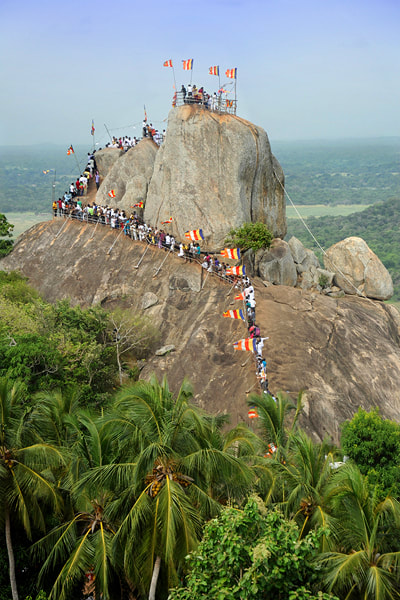
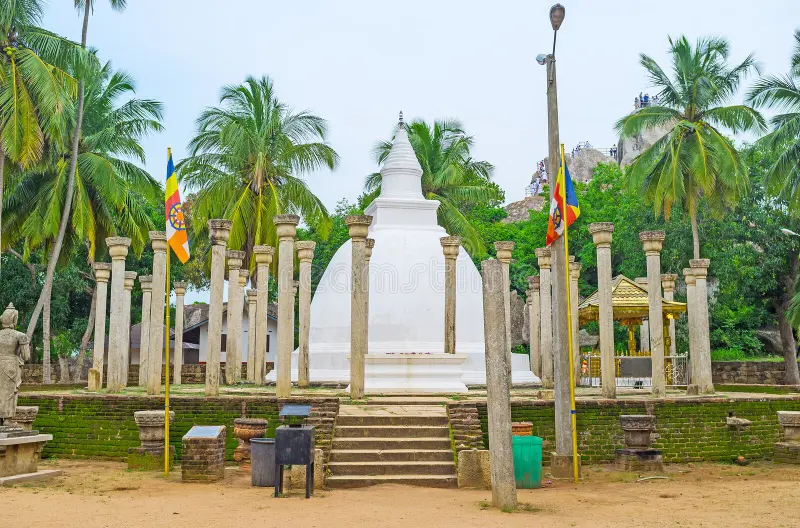
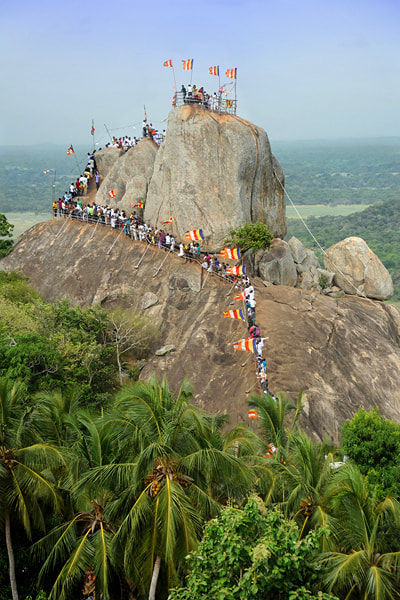
The site comprises several distinct areas spread across the hillside, connected by ancient stone steps worn smooth by centuries of pilgrims. The climb is gentle but rewarding, leading through frangipani trees and past small shrines to viewpoints that look out over the plains towards Anuradhapura. The Maha Seya, a large stupa at the summit, marks the spot where the pivotal encounter between monk and king is believed to have taken place. The sense of continuity — that devotion has flowed here uninterrupted for over two millennia — is palpable.
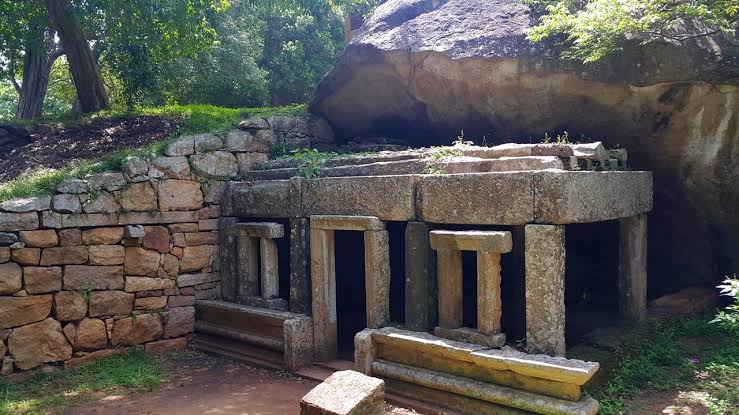
Mihintale was also an important monastic centre, and the ruins of hospitals, refectories, and bathing pools reveal a sophisticated approach to communal religious life. The Kantaka Chetiya, with its elaborate vahalkadas — frontispieces decorated with dwarfs, elephants, and lions — is a fine example of early Sinhalese architecture. The Ambasthala Dagoba and the Aradhana Gala, a rocky outcrop where Mahinda is said to have stood, are focal points for prayer and reflection.
Unlike the larger ancient cities, Mihintale retains an intimate, contemplative atmosphere. Fewer tour groups visit, and it is possible to wander the paths in relative solitude, particularly in the early morning when the air is cool and the light filters through the trees. Locals visit in large numbers during full-moon poya days, when the site comes alive with offerings and chanting — an experience that offers genuine insight into living Buddhist practice.
Mihintale lies just twelve kilometres east of Anuradhapura, making it an easy half-day excursion from the ancient capital. Combined with Anuradhapura and Polonnaruwa, it completes a picture of Sri Lanka's religious and royal heritage that is difficult to match anywhere else in the world.
Wear modest clothing and expect to remove shoes at shrine areas. The stone steps can be warm underfoot by mid-morning, so visiting at dawn is both cooler and more atmospheric. A small fee applies at the entrance, and optional donations support temple maintenance. Allow two to three hours for a thorough visit, including the climb to the summit and time for reflection at the key shrines. Refreshments are available from vendors near the base, though many visitors prefer to return to Anuradhapura for a proper lunch.
The dry season from December to April is ideal for climbing, though Mihintale's hilltop breezes make it manageable for much of the year. Full-moon poya days draw large crowds of devotees — a vibrant spectacle for culturally curious visitors, though quieter mornings suit those seeking solitude. Guided visits from Anuradhapura are easily arranged and help illuminate the site's pivotal role in the island's conversion to Buddhism. The view from the summit, looking west across tank and plain towards the ancient capital, is among the most evocative panoramas in the Cultural Triangle.
For British visitors seeking meaning beyond monuments, Mihintale is a place of quiet revelation. It reminds us that the grand stupas and palaces of the Cultural Triangle grew from a single moment of encounter on this hillside — a moment that would shape an entire civilisation. To stand here is to connect with one of the defining chapters in the story of Sri Lanka.