Southern Province
Matara
Matara, situated at the southernmost reach of Sri Lanka's western coastline before the island curves eastward, is a coastal city that combines beach appeal with colonial landmarks and an easygoing local atmosphere. Often overlooked by travellers rushing between Galle and Tangalle, Matara rewards those who pause with pleasant beaches, historic fortifications, and a glimpse of everyday life in a prosperous southern town. For British visitors exploring the south coast, Matara offers a welcome balance of accessibility and authenticity.
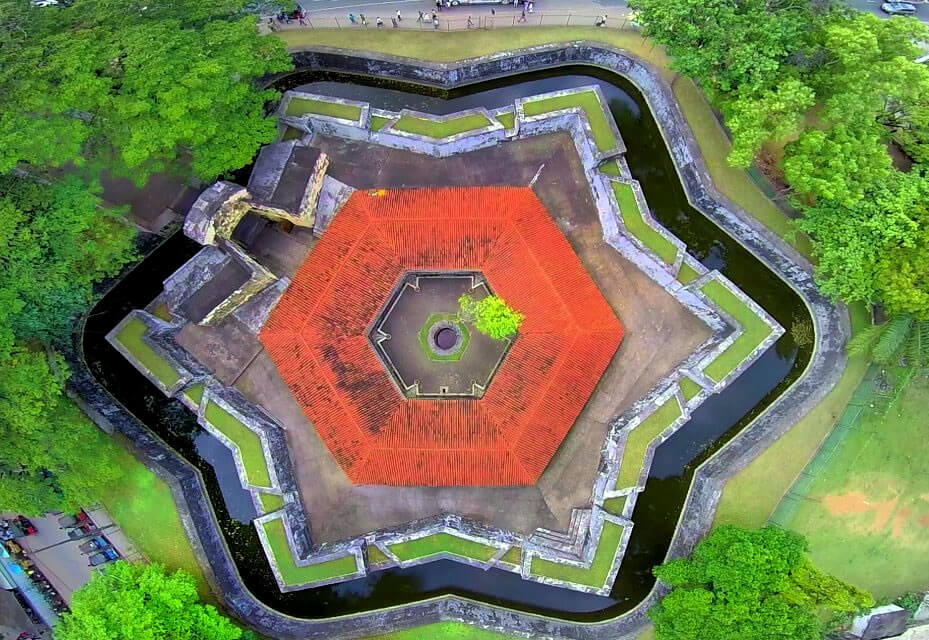
The city's most distinctive landmark is Star Fort, a small but perfectly formed Dutch fortification built on an island in the Nilwala River. Connected to the mainland by a causeway, the fort's six-pointed star shape and thick walls reflect the military engineering of the colonial era. Nearby, the larger Matara Fort district contains the Dutch Reformed Church and colonial-era buildings that speak to centuries of European influence on this stretch of coast.
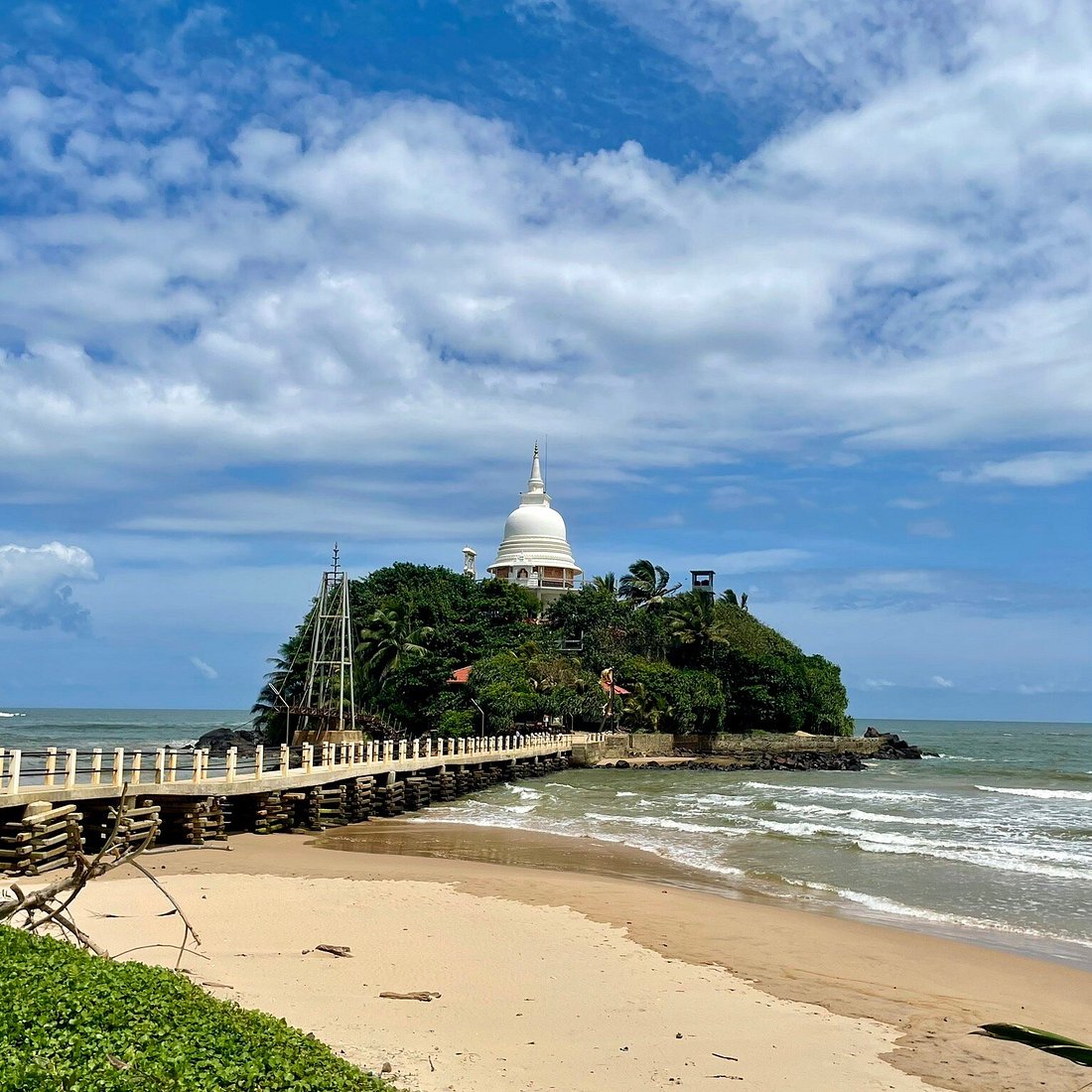
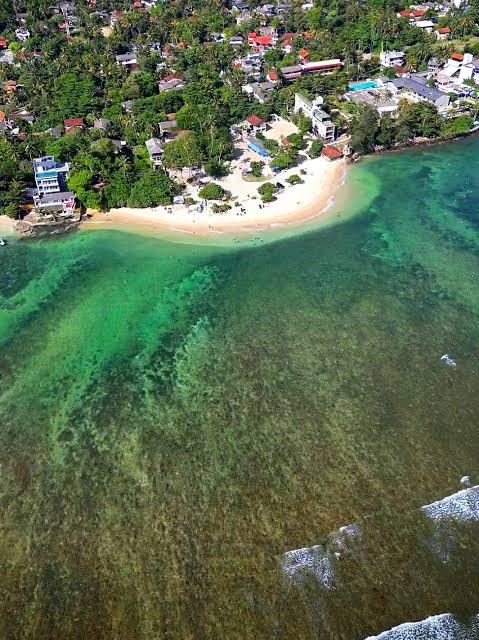
Matara's beaches are wide, sandy, and relatively uncrowded compared with those closer to Galle. Polhena Beach, sheltered by a reef, is popular for swimming and snorkelling, with calm waters that suit families and less confident swimmers. Medawatta and Dondra Head, the southernmost point of Sri Lanka, offer dramatic coastal scenery and the Dondra Lighthouse, one of the tallest in the country.
The town itself is lively and functional, with a bustling bus station, markets, and a waterfront that comes alive in the evenings. Matara serves as a gateway to the deeper south — to Tangalle, Rekawa, and the quieter beaches that stretch along the coast toward Hambantota. It is also well connected by rail, with the scenic train journey from Colombo passing through Galle and along the coast, making Matara an appealing stop for travellers who enjoy slow travel.
Accommodation in Matara ranges from modest guesthouses to comfortable mid-range hotels, many with sea views or easy access to the beach. Dining options include fresh seafood at local restaurants and the chance to sample southern Sri Lankan cuisine, which shares much with the flavours of the wider region while retaining its own character.
The best time to visit Matara is during the dry season from November to April, when rainfall is minimal and the sea is calm. Even during the monsoon months, the town remains accessible, though seas can be rougher and swimming less advisable on open beaches.
The coastal railway connects Matara with Galle and Colombo, offering one of Sri Lanka's most scenic journeys — a delightful option for travellers who prefer trains to road transport. Local buses and tuk-tuks serve the town and surrounding beaches efficiently. Seafood restaurants along the waterfront serve grilled fish, prawn curry, and other southern specialities at modest prices. Accommodation remains good value compared with Galle, making Matara attractive for longer stays on a budget.
Nearby Dondra Head lighthouse welcomes visitors who climb its spiral staircase for panoramic views across the Indian Ocean — on clear days, the horizon seems infinite. Turtle-watching at Rekawa, roughly thirty kilometres east, offers night-time excursions during nesting season that complement a Matara base. For British families and independent travellers, the town provides practical amenities alongside genuine coastal charm without the premium prices of more fashionable neighbours.
For British travellers seeking a southern coastal experience without the intensity of the main resort strips, Matara is a sound choice. It offers beaches, history, and local colour in a setting that feels genuinely Sri Lankan. Whether as a base for exploring the deep south or a relaxed stop on a coastal journey, Matara holds its own with quiet confidence.