Central Province
Matale
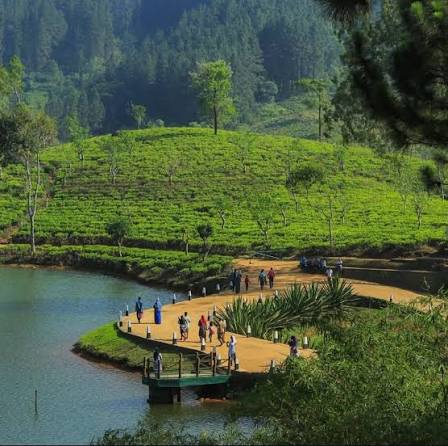
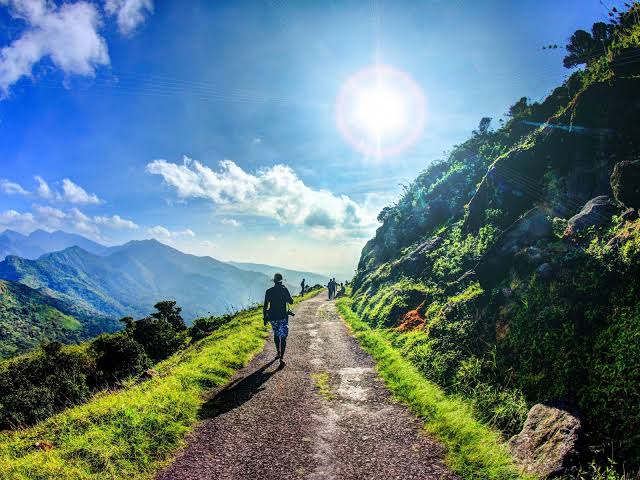
Matale occupies a fertile valley in the Central Province, a town where spice gardens, ancient temples and cascading waterfalls mark the transition between Kandy and the Cultural Triangle to the north. Surrounded by hills planted with coconut, rubber and mixed crops, it enjoys a warmer climate than the highest tea country, yet retains a green, rural character that feels distinctly Sri Lankan. British travellers often pass through Matale en route to Sigiriya or Dambulla, unaware that slowing down here reveals layers of history, horticulture and devotion well worth a dedicated visit.
Spice gardens are among the region's most popular attractions. Guided tours introduce visitors to cinnamon, pepper, nutmeg, cardamom and cloves, explaining cultivation, harvesting and traditional uses in cuisine and Ayurvedic medicine. The sensory experience—crushing a leaf to release its scent, tasting a sliver of cinnamon bark—brings the market stalls and curry dishes encountered elsewhere on the island into sharper focus. Many gardens operate on a commission-based model for onsite shops, so travellers should feel comfortable browsing without obligation. Nonetheless, the educational value of a well-run tour is considerable, particularly for families and food enthusiasts who wish to connect ingredients with landscapes.
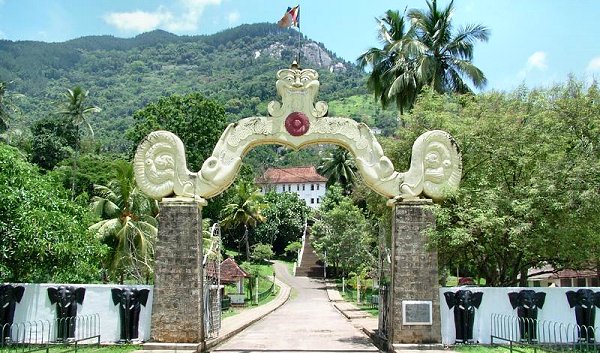
The Aluvihare Rock Temple holds a place of profound importance in Sri Lankan Buddhism. According to tradition, it was here that the oral teachings of the Buddha were first committed to writing in the first century BC, an event that preserved the Tripitaka for future generations. Cave shrines carved into the rock face contain murals and statues spanning centuries, and the peaceful setting above the town invites quiet reflection. Dress modestly, remove footwear before entering sacred areas and consider hiring a local guide to explain the historical and artistic details that might otherwise pass unnoticed. The climb to the upper terraces rewards visitors with views over the valley and a palpable sense of continuity with ancient monastic life.
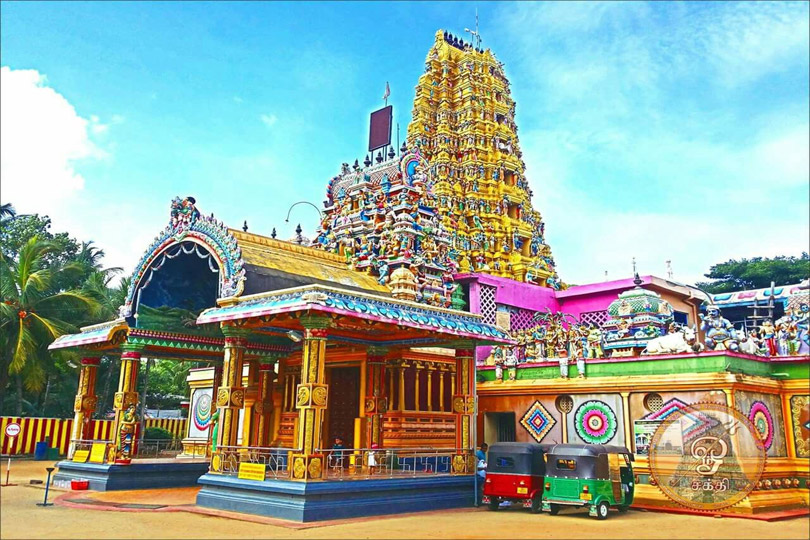
Waterfalls punctuate the hills around Matale, with Sera Ella and Raththota among the most accessible. After monsoon rains, cascades swell dramatically, though paths can be slippery and require sensible footwear. The countryside between Matale and Riverston or the Knuckles Range offers scenic drives through villages where roadside stalls sell fresh fruit and spices. Matale town itself has a colourful Hindu kovil, bustling market and British-era street layout that reflects its role as an administrative centre during colonial times. A morning in town, combining market browsing with a temple visit, fills gaps between longer excursions neatly.
Matale suits travellers interested in culture, botany and gentle exploration. It works well as a day trip from Kandy or as an overnight stop when touring the Cultural Triangle, breaking what might otherwise be a long transfer into a more varied journey. British visitors will appreciate the combination of living tradition and accessible natural beauty. Allow at least a full day for spice gardens, Aluvihare and a waterfall excursion, and you will leave with a richer understanding of the central highlands beyond tea and temples alone. For those building a comprehensive Sri Lanka itinerary, Matale provides the perfect bridge between sacred Kandy and the ancient wonders further north. A morning spent among spice plants and cave shrines offers variety that pure temple-hopping cannot, and children in particular often remember the gardens long after the holiday photographs are filed away. Consider combining Matale with an afternoon drive towards Riverston if your schedule allows two days in the region. The valley's warmth and spice-scented air offer a pleasant contrast to cooler tea country further south.