Eastern Province
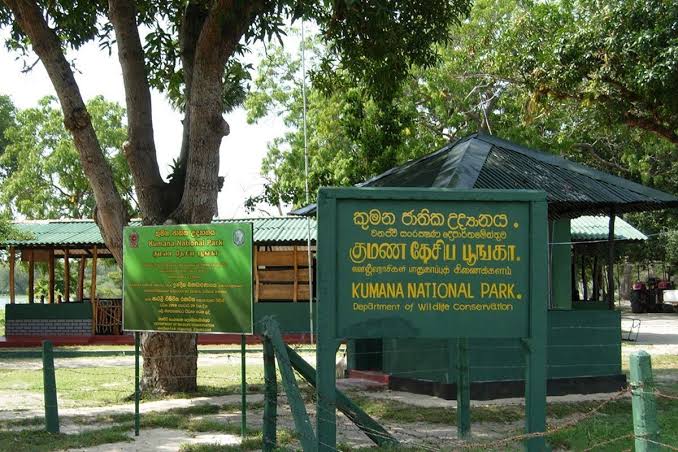
Kumana
On Sri Lanka's remote southeastern coast, Kumana National Park—formerly known as the Yala East sanctuary—offers British travellers a wildlife experience of a distinctly different character from the busy jeep trails of Yala Block I. Here, lagoons, mangrove-fringed waterways, coastal scrub and open plains create a landscape that feels genuinely wild and wonderfully uncrowded. Kumana is celebrated above all for its birds: more than two hundred species have been recorded within the park, and during the northern winter months the wetlands fill with migratory waders, ducks, terns and raptors arriving from as far away as Siberia and northern Europe.
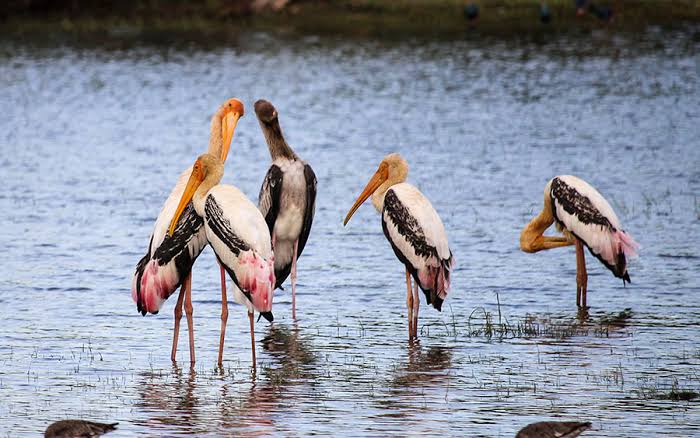
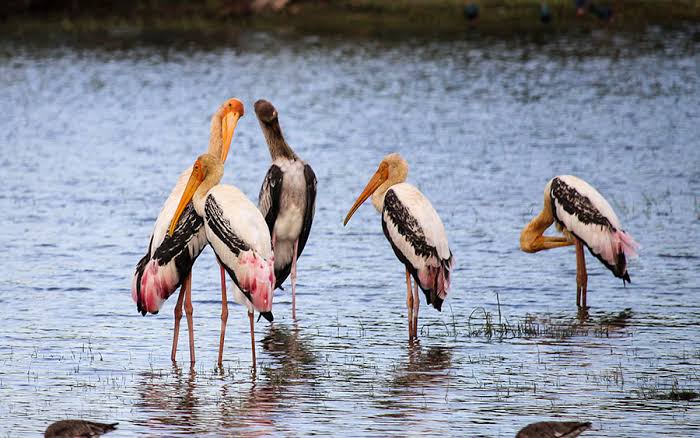
The park's centrepiece is the Kumana Villu, a large mangrove swamp that floods seasonally and becomes a breeding and feeding ground for herons, egrets, ibis, spoonbills and the striking painted stork. To drift along the lagoon edge at dawn, with the air alive with calls and the mudflats busy with feeding birds, is one of Sri Lanka's finest ornithological experiences. For British birdwatchers accustomed to coastal reserves and estuary hides, Kumana offers the thrill of tropical diversity in a setting of remarkable peace.
Mammals are present too, though sightings require patience and a degree of luck. Elephants move through the park, leopards inhabit the scrub forest, and crocodiles bask on muddy banks. The sense of remoteness is part of Kumana's appeal: fewer vehicles mean longer periods of silence, broken only by birdcall and the rustle of wind through palu trees. Access has improved in recent years, yet the park retains a frontier quality that rewards travellers willing to venture beyond the standard safari circuit.
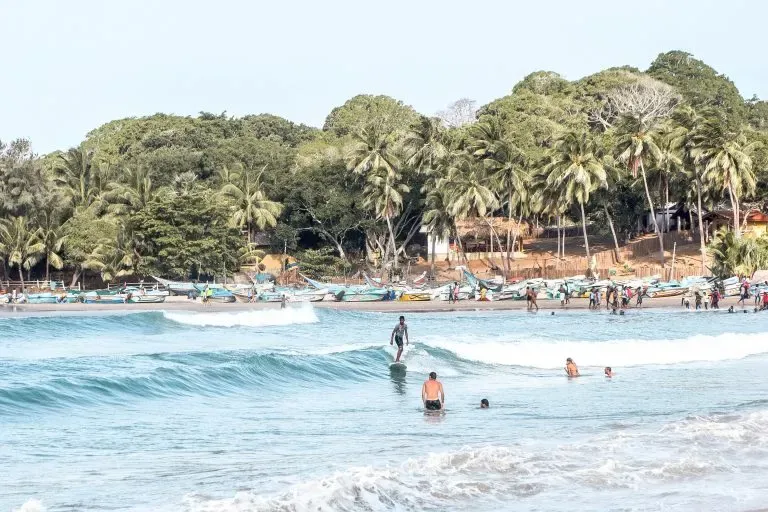
Kumana sits within a broader region of outstanding natural and cultural interest. Arugam Bay, one of Asia's most celebrated surf breaks, lies further up the coast, whilst Lahugala and Panama provide additional wildlife and village experiences. The park combines well with an east-coast itinerary that might include Trincomalee, Pasikuda or Yala, offering British visitors a chance to see Sri Lanka's diversity of landscapes without retracing steps. Accommodation in the immediate vicinity remains limited, so most visitors stay in Tissamaharama, Arugam Bay or bespoke safari camps, travelling into the park for morning or full-day excursions.
Timing matters for birdwatchers. The migratory season, broadly from November to March, brings the greatest variety of waders and waterfowl, whilst resident species such as the Sri Lanka junglefowl and various raptors can be seen year-round. A knowledgeable guide with a scope is invaluable for distinguishing similar species and locating roosts that casual visitors would walk past unawares.
For nature lovers who prioritise birds, solitude and the romance of lesser-visited wilderness, Kumana is a revelation. It does not promise the guaranteed leopard encounters of Yala, nor the elephant concentrations of Minneriya—but it offers something equally precious: the feeling of having discovered a place that remains, for now, authentically wild. In an age of crowded attractions, that is a rare and valuable gift.
Practical notes for British visitors: Kumana safaris require advance planning, as the park is less commercialised than Yala and vehicle numbers are limited. A full-day excursion from Tissamaharama or Arugam Bay is the most common approach, with packed breakfasts and plenty of water recommended for long hours on remote tracks. The migratory bird season from November to March rewards those with binoculars and a field guide, whilst leech socks may prove useful on footpaths near lagoon edges after rain. Staying flexible with dates allows you to choose clear mornings when bird activity is highest, and a knowledgeable naturalist guide transforms the experience from a scenic drive into a masterclass in tropical ornithology that you will remember long after leaving the lagoon.