North Central Province
Kaudulla
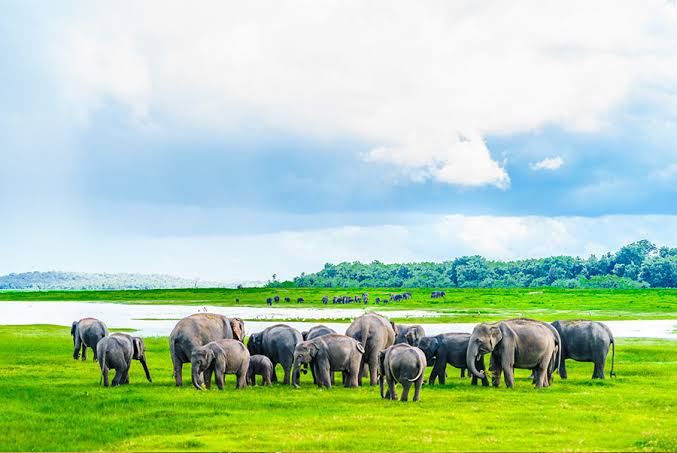
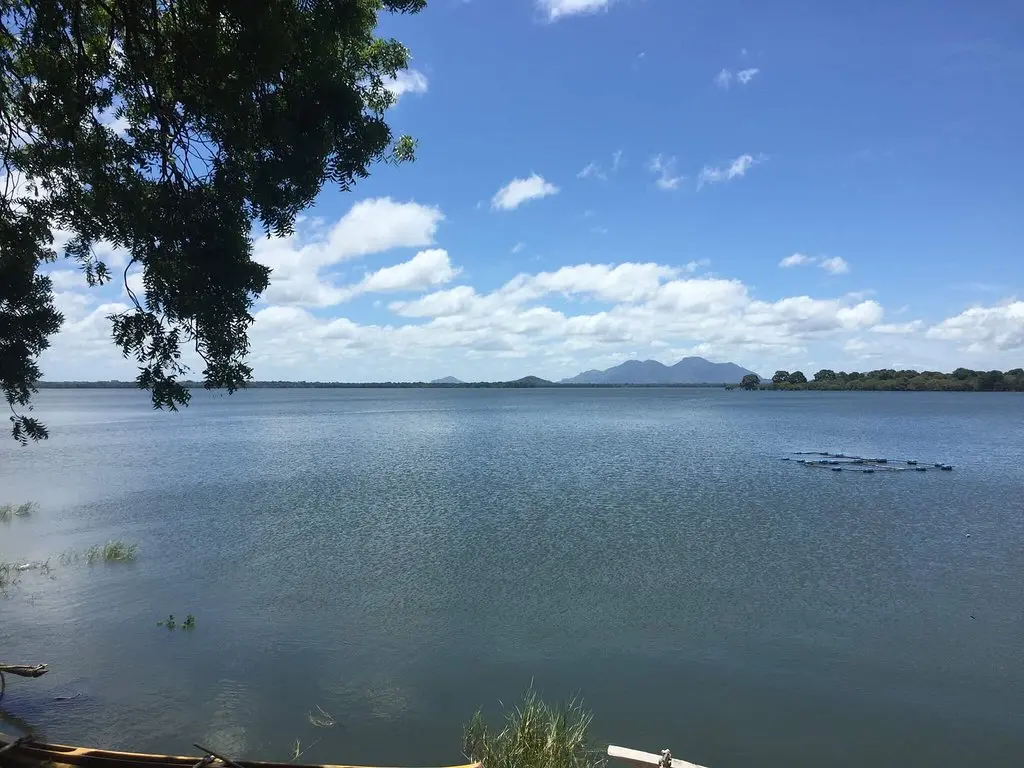
A short drive north-east of Minneriya, Kaudulla National Park offers British travellers another superb opportunity to witness Sri Lanka's elephants in their natural habitat—often with fewer jeeps and a quieter, more intimate atmosphere than its better-known neighbour. Like Minneriya, Kaudulla centres on an ancient reservoir, the Kaudulla Tank, whose grassy margins and forest fringes draw herds during the dry season when water and grazing become scarce across the north central plains. For visitors touring the Cultural Triangle, it represents an excellent alternative or complement to a Minneriya safari, particularly when elephant movements between the two parks shift with the rains.
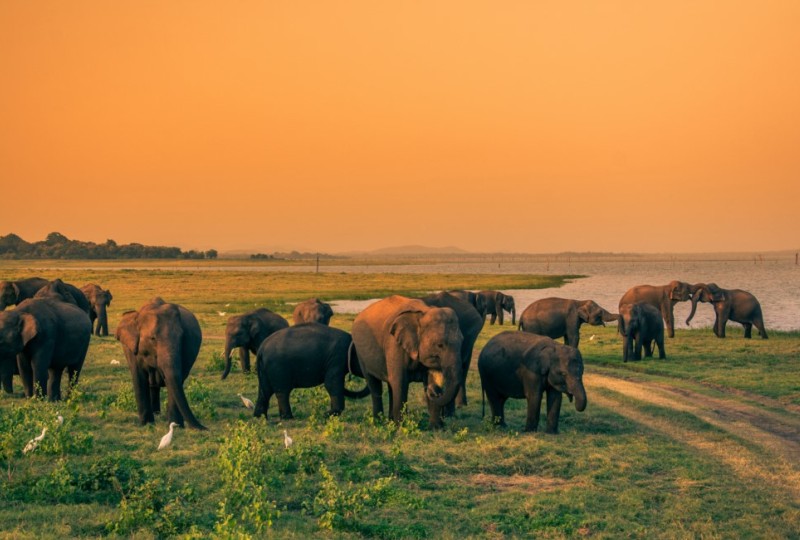
During the peak months, typically from August onwards, elephants gather at Kaudulla in impressive numbers, feeding on the lush grasslands that emerge as the tank recedes. The sight of family groups moving in loose procession across open ground, or bathing together at the water's edge, is deeply affecting. Kaudulla's slightly more compact scale means that guides can often position jeeps thoughtfully, allowing extended observation without the congestion that occasionally affects Minneriya during peak season. For photographers and naturalists, this can make all the difference.
The park's wildlife extends well beyond elephants. Sambar and spotted deer browse in the forest margins, langur monkeys leap through the canopy, and the occasional sloth bear or leopard reminds visitors that this is genuine wilderness rather than a managed sanctuary. Birdwatchers will appreciate the variety of water birds around the tank—pelicans, storks, egrets and cormorants—as well as forest species such as hornbills and peacocks. The landscape, a mix of dry evergreen forest and open grassland, is characteristic of the region and particularly beautiful in the golden light of late afternoon.
Kaudulla pairs naturally with a broader itinerary through Polonnaruwa, Sigiriya and Dambulla, allowing British travellers to weave wildlife encounters through days spent exploring ancient capitals, cave temples and rock fortresses. Safaris are typically arranged as half-day excursions, with early morning and late afternoon departures offering the best conditions. Local guides bring valuable knowledge of elephant migration patterns between Kaudulla, Minneriya and the nearby Hurulu Eco Park, helping visitors choose the most rewarding park on any given day.
The north central plains can feel hot and exposed at midday, so planning safaris for the cooler hours is both more comfortable and more productive. Light, breathable clothing, a wide-brimmed hat and plenty of water are sensible preparations, whilst a good pair of binoculars transforms distant sightings into memorable moments. Many operators provide open-roof jeeps that allow unobstructed views and photography, though dust is part of the experience and best accepted with good humour.
For those who have read about The Gathering and wish to experience it without feeling rushed, Kaudulla is an outstanding choice. It delivers the drama of wild elephants against a backdrop of ancient irrigation and forest, with a sense of space and calm that enhances every sighting. In a country rich with natural wonders, Kaudulla quietly confirms that Sri Lanka's north central plains are as alive with wildlife as they are with history.
Practical advice for British visitors is worth noting. Kaudulla safaris are usually arranged as half-day excursions from Habarana, Sigiriya or Polonnaruwa, with morning and afternoon slots both productive during the dry season. Because elephant movements shift between Kaudulla, Minneriya and Hurulu Eco Park, local guides often know which reserve offers the best sightings on any given day. Neutral clothing, sun protection and binoculars are recommended, and an evening safari, as the light turns golden across the tank, is particularly atmospheric.