Central Province
Kandy
Kandy is Sri Lanka's cultural capital, a lakeside city in the Central Province where the Temple of the Tooth, colonial architecture and hill-country scenery combine to create one of the island's essential destinations. Nestled around an artificial lake created in the early nineteenth century, Kandy served as the last independent kingdom before British rule and retains a dignity and ceremonial importance that permeate its streets, shrines and annual festivals. For British travellers, it offers a compelling blend of living tradition, accessible museums and the cooler temperatures of the interior, all within a few hours' drive of Colombo.
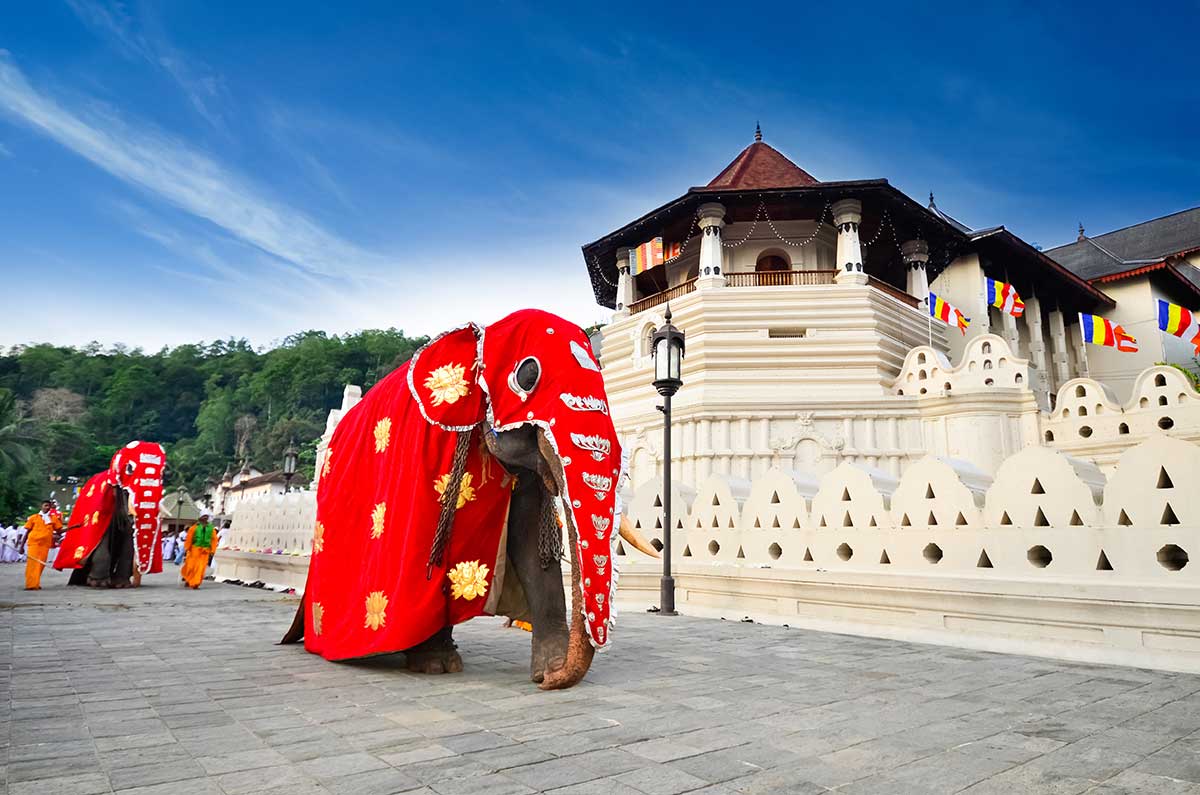
The Temple of the Tooth, or Sri Dalada Maligawa, houses a relic believed to be a tooth of the Buddha and remains the focus of national pilgrimage. Daily rituals accompanied by drumming and offerings take place in richly decorated chambers, whilst the outer complex includes museums, shrines and courtyards that reward unhurried exploration. Dress codes are strictly enforced, and visitors should behave respectfully, particularly during puja times when devotees gather in large numbers. The Esala Perahera, held annually in July or August, transforms Kandy with processions of dancers, drummers and caparisoned elephants, drawing crowds from across the island and beyond. Even outside festival season, the temple atmosphere conveys the centrality of Buddhism to Sri Lankan identity.
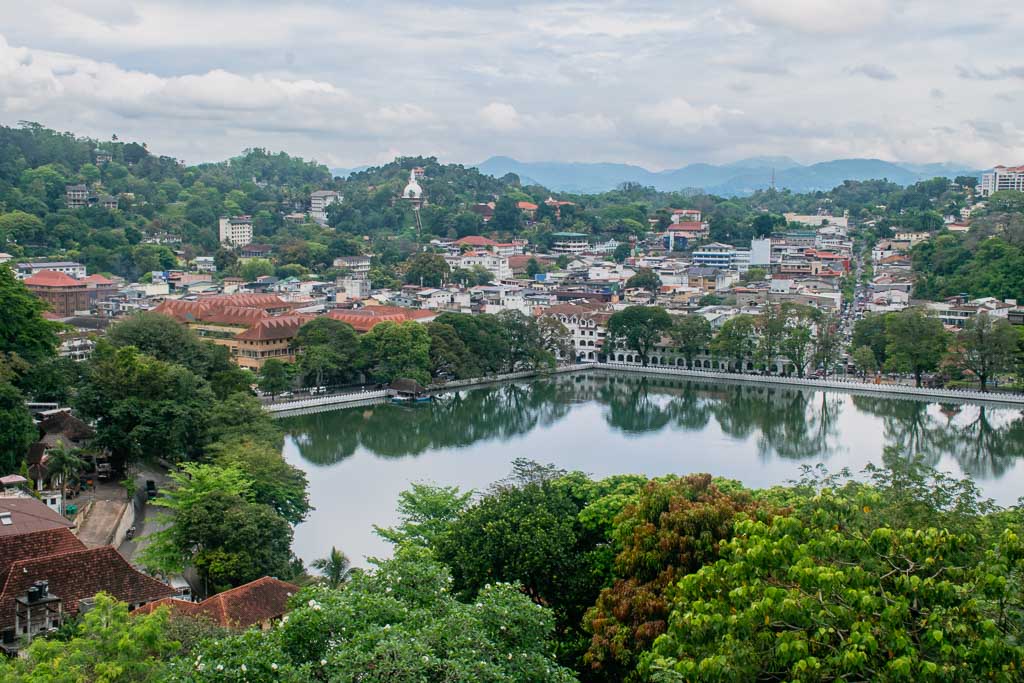
Kandy Lake provides a calming counterpoint to the city's traffic and commerce. A shaded path encircles the water, popular with walkers and joggers in the cooler hours, whilst benches offer views of the temple rooftops and surrounding hills. Nearby, the Royal Botanical Gardens at Peradeniya showcase tropical and temperate species across extensive grounds, including avenue plantings and orchid houses that appeal to horticultural enthusiasts. The gardens lie a short drive from the centre and can easily fill half a day. Couples and families alike find shade, space and colour among collections that reflect both colonial plant-hunting and modern conservation.
The city itself preserves fragments of its royal past alongside bustling markets, jewellery shops and restaurants serving Sri Lankan and international cuisine. The British Garrison Cemetery and various colonial buildings recall the nineteenth-century encounter between kingdom and empire, adding historical depth to a visit that might otherwise centre entirely on Buddhism and pageantry. Cultural performances of Kandyan dance and drumming are staged for visitors most evenings, providing an introduction to artistic traditions linked to the hill country. Whilst these shows are tailored for tourists, the skill of the performers remains impressive and the costumes vivid.
Kandy also functions as a practical transport hub. Trains depart towards Ella and Badulla along one of the world's great scenic routes, whilst roads lead north to the Cultural Triangle and east towards tea country. Many British itineraries place Kandy after Colombo and before Nuwara Eliya, a sequence that balances urban energy with highland calm. Accommodation spans heritage hotels, mid-range properties and guesthouses, though booking ahead is advisable during Perahera season when prices rise sharply.
Kandy suits virtually every traveller profile, from first-time visitors to returning enthusiasts. Allow at least two nights to visit the temple respectfully, walk the lake, explore the gardens and absorb the atmosphere without haste. For British holidaymakers, Kandy remains the most eloquent expression of Sri Lanka's cultural identity outside the ancient capitals, a place where history feels present rather than preserved under glass. An evening walk around the lake after temple visiting hours, when drums have faded and the water reflects city lights, offers a gentle conclusion to days filled with colour, ceremony and discovery. Kandy rarely disappoints those who give it the time it deserves.