Northern Province
Jaffna
At the northern tip of Sri Lanka, Jaffna offers British travellers an experience distinctly different from the rest of the island. Shaped by centuries of Tamil culture, Hindu tradition, and a complex colonial and recent history, this resilient peninsula city invites exploration with an open mind and a curious palate. Colourful temples, bustling markets, serene islands, and a cuisine unlike anywhere else in Sri Lanka make Jaffna a destination that rewards those willing to journey north.
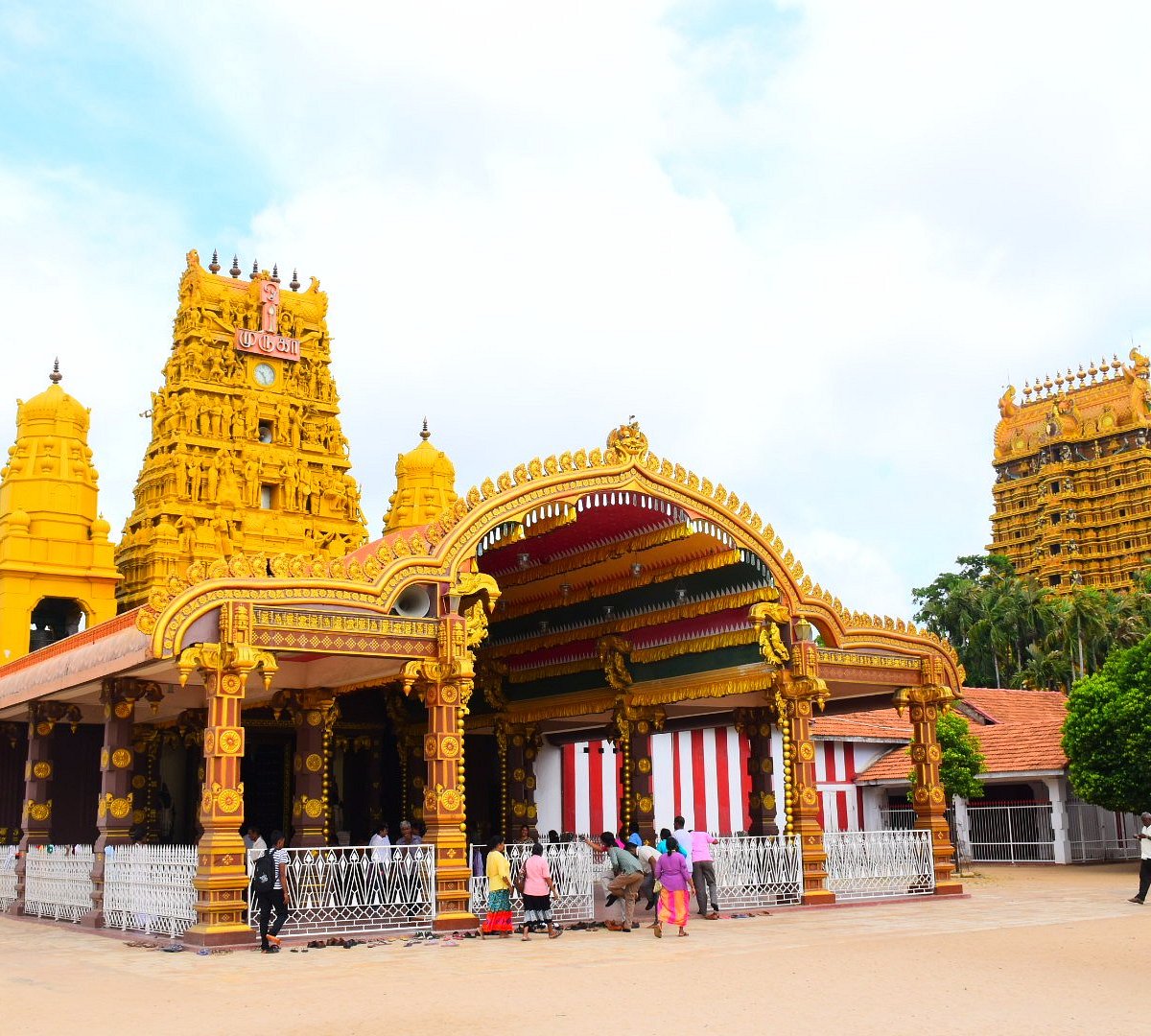
The Nallur Kandaswamy Kovil is the spiritual heart of Jaffna, a magnificent Dravidian-style Hindu temple dedicated to Lord Murugan. During the annual festival, which spans twenty-five days, the temple comes alive with processions, music, and devotion on a scale that is unforgettable. Even on ordinary days, the temple's gopuram — towering with carved figures — and the rituals performed within offer a window into Tamil Hindu culture that feels worlds apart from the Buddhist south.
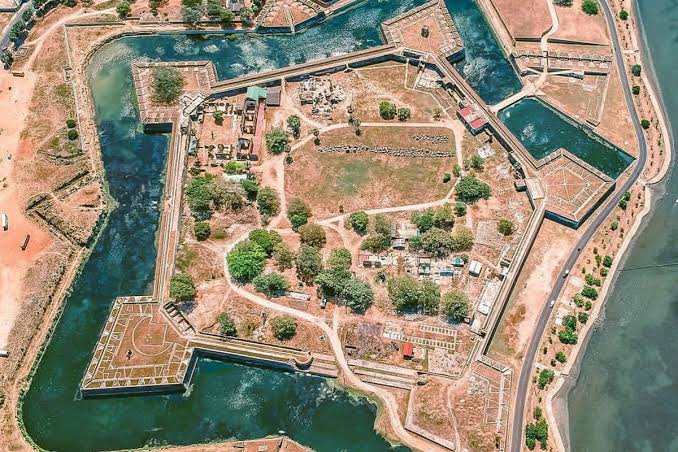
Jaffna Fort, built by the Portuguese and expanded by the Dutch, stands as a reminder of the peninsula's strategic importance and layered colonial past. Walking its ramparts, visitors look out over the Jaffna Lagoon and gain a sense of the city's position at the crossroads of trade routes and cultural exchange. The Jaffna Public Library, rebuilt after its destruction in the 1980s, symbolises the community's commitment to learning and cultural preservation.
The cuisine of Jaffna is a highlight in itself. Influenced by South Indian traditions and the peninsula's agricultural bounty, dishes such as crab curry, mutton poriyal, and the distinctive Jaffna-style crab rasam are celebrated across Sri Lanka. Dining at a local restaurant or guesthouse offers flavours that are bolder and spicier than much of what is found in the south, and food lovers will find plenty to savour.
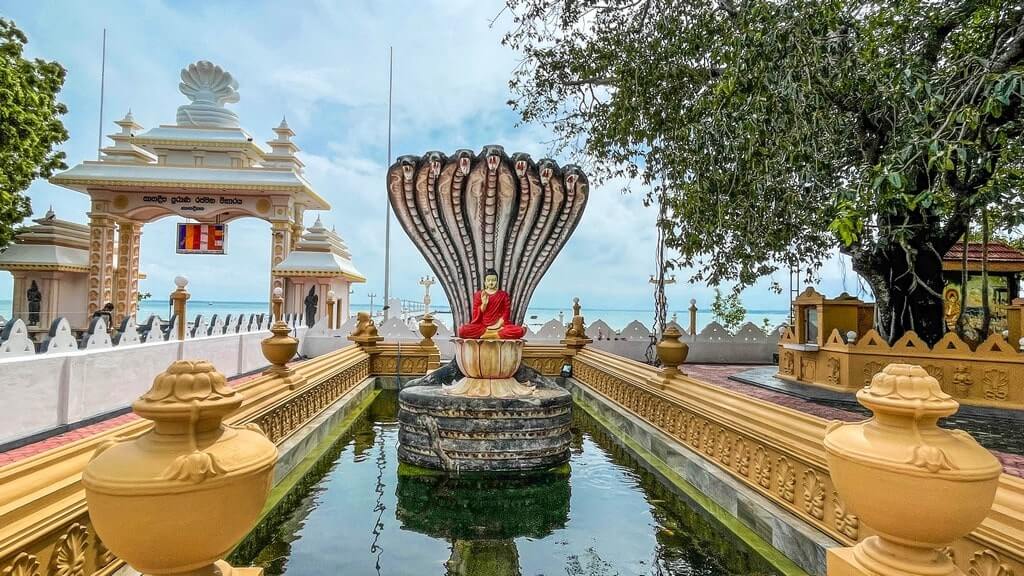
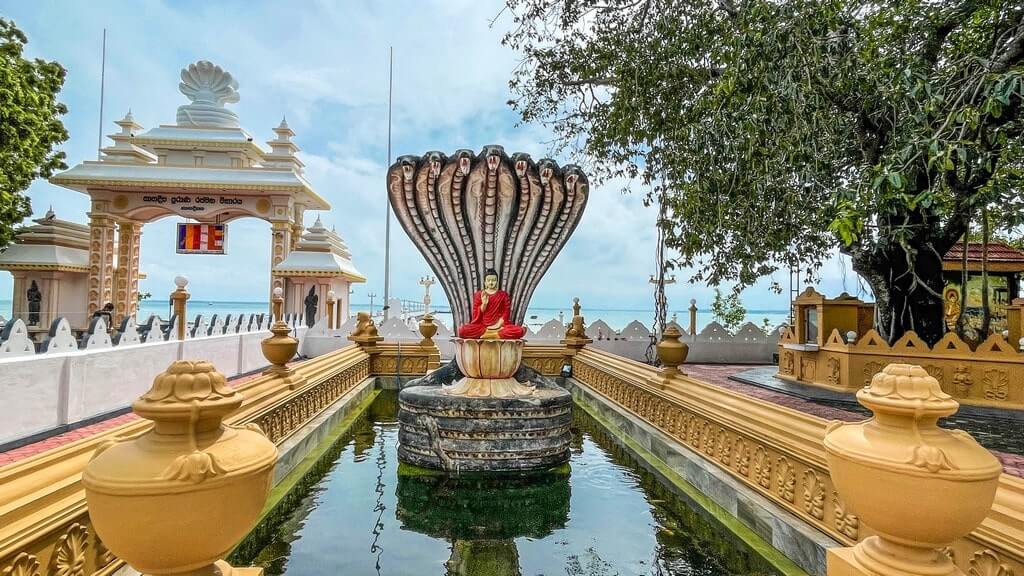
Beyond the city, the islands of the Jaffna archipelago — including Nainativu, Delft, and Kayts — offer day trips by ferry through shallow, turquoise waters. Nainativu is home to the Nagadeepa Buddhist temple and the Nagapooshani Amman Hindu kovil, sitting side by side on an island sacred to both faiths. Delft Island, with its wild ponies descended from Dutch stock and its baobab tree planted centuries ago, has a character all its own.
Jaffna is more accessible today than it has been in decades, with improved roads and a growing selection of guesthouses catering to international visitors. The best time to visit is during the cooler months from December to March, when the peninsula's dry climate makes exploration comfortable.
Respectful dress is required at Hindu temples — covered shoulders and legs, with shoes removed before entering sacred areas. Photography may be restricted inside certain shrines, so always ask permission. Jaffna crab is a culinary highlight best enjoyed at dedicated restaurants or guesthouses that prepare the dish in traditional style. Allow at least two full days to appreciate the city, its temples, and a ferry trip to the islands. The journey from Colombo takes seven to eight hours by road, though domestic flights to Palaly Airport significantly reduce travel time.
The peninsula's flat landscape makes cycling an enjoyable way to explore surrounding villages and paddy fields. Local guides, often fluent in English, provide invaluable context on the region's Tamil heritage and recent history, helping visitors engage thoughtfully with a community that has endured and rebuilt with remarkable resilience. Markets in Jaffna town offer palmyrah products, dried fish, and spices seldom found elsewhere on the island.
For British travellers seeking cultural depth, culinary adventure, and a side of Sri Lanka rarely featured in standard itineraries, Jaffna is essential. It is a place where history, faith, and daily life intertwine in ways that challenge assumptions and broaden understanding. To visit Jaffna is to discover a Sri Lanka that is richly, unmistakably its own.