Uva Province
Haputale
Haputale clings to the southern edge of Uva Province's highlands, a ridge-top town where panoramic views, tea plantations and cool mist combine to create one of the most dramatic settings in Sri Lanka. At approximately 1,430 metres above sea level, it overlooks valleys that drop sharply towards the south coast, and on clear days the line of the Indian Ocean glimmers far below. British travellers often describe the sensation of standing here as akin to being on a balcony above the entire island, a perspective that photographs struggle to capture but memory retains vividly.
Tea dominates the local economy and the visual landscape. Estates fold over the hills in every direction, and early-morning pluckers moving between the rows lend colour and movement to the scene. A visit to a factory or estate bungalow provides context for the view, explaining the cultivation and export that have shaped this region since the nineteenth century. Haputale's climate is cooler than the lowlands and slightly drier than Nuwara Eliya, making it comfortable for walking throughout much of the year, though warm layers are advisable for early starts. The Dambatenne factory, associated with Sir Thomas Lipton, remains among the most informative tours in the hill country.
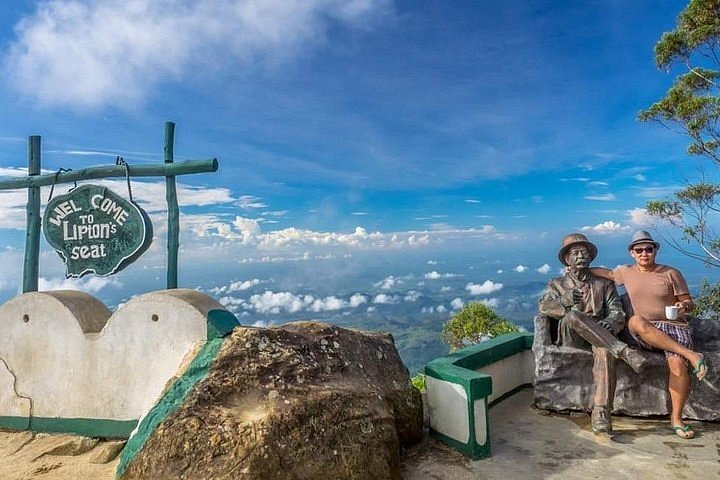
Lipton's Seat is the headline excursion. Named after the tea magnate who once surveyed his plantations from this lookout, it offers one of the finest viewpoints in the country. The drive or walk to the seat passes through working estates and small villages, and the platform itself provides a 360-degree panorama when weather cooperates. Arrive before mid-morning for the best chance of unobstructed views, as cloud often gathers later in the day. Even when mist rolls in, the atmosphere among the tea bushes remains evocative and serene. Tuk-tuks and hired cars can reach the car park, from which a short walk completes the ascent.
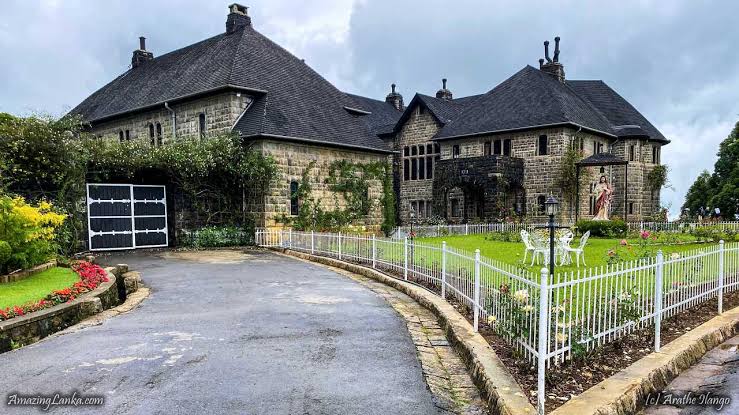
The town of Haputale is compact, with a bustling market, railway station and modest accommodation ranging from simple lodges to charming guesthouses. Its position on the main line between Badulla and the central highlands makes it convenient for rail travellers, whilst road connections link it to Ella, Bandarawela and the south. Nearby attractions include Adisham Hall, a Benedictine monastery housed in a colonial bungalow with fine gardens, and Thangamale Sanctuary, a patch of protected woodland where shaded paths reveal birdlife and occasional sightings of sambur deer. Both offer quieter alternatives to the more crowded stops on the tourist circuit.
Haputale also appeals to travellers interested in the human stories behind the scenery. Tamil and Sinhalese communities work side by side on the estates, and conversations with guesthouse owners or guides often illuminate daily life in a town that thrives on agriculture rather than mass tourism. Meals of rice and curry served on verandas overlooking the valleys taste all the better for the setting.
Haputale suits travellers who prefer scenery and solitude to nightlife and shopping. It is particularly rewarding for photographers, walkers and anyone interested in the heritage of Ceylon tea. Allow at least one full day for Lipton's Seat and estate visits, and consider staying overnight to experience the hills at dawn and dusk, when light and cloud transform the valleys minute by minute. For British visitors tracing a route through the hill country, Haputale provides some of the most memorable views on the entire island. On a clear morning at Lipton's Seat, with tea fields stretching to the horizon and the faint glint of ocean far below, the effort of the early start feels entirely justified.