Southern Province
Hambantota
On Sri Lanka's southeastern coast, where the landscape opens into wide horizons of sea, salt, and scrubland, Hambantota presents a coastal destination of striking contrasts. Once a quiet fishing town, the area has emerged as a hub of development and gateway to some of the island's most celebrated wildlife territories. For British travellers seeking beaches that feel expansive and untamed, combined with access to national parks, birdlife, and a glimpse of Sri Lanka's evolving future, Hambantota offers a compelling and distinctive addition to any southern itinerary.
Hambantota's beaches are broad and relatively undeveloped, stretching along a coastline where the Indian Ocean meets a hinterland of lagoons, salt pans, and dry-zone vegetation. The sands here have a wilder character than those of the southwest, with fewer resorts and a stronger sense of open space. Visitors can enjoy long beach walks, dramatic sunsets, and the rare pleasure of shoreline that remains largely untouched by mass tourism. The nearby Hambantota Lagoon and Wirawila Lake add wetland scenery and birdwatching opportunities to the coastal experience.
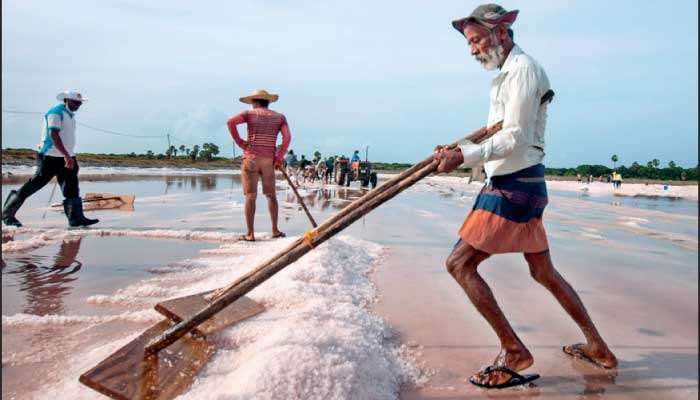
The town's most visually striking feature is its vast salt pans — shimmering fields of white crystals that have been harvested for generations and now create an almost otherworldly landscape, particularly at sunrise and sunset. These salt flats, visible from the main road, offer remarkable photographic opportunities and a reminder of the traditional industries that have shaped this region for centuries.
Hambantota's greatest draw for many visitors, however, lies inland. The town serves as the principal gateway to Yala National Park, Sri Lanka's most famous wildlife reserve, where leopards, elephants, sloth bears, and prolific birdlife inhabit a mosaic of forest, grassland, and coastal scrub. Bundala National Park, a Ramsar wetland site renowned for migratory birds and crocodiles, lies even closer. Kumana National Park to the east offers a quieter alternative for wildlife enthusiasts. Together, these reserves make Hambantota an exceptional base for safari adventures.
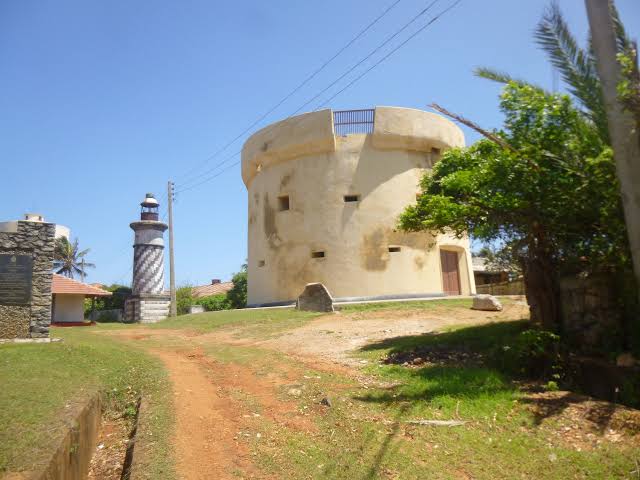
Modern development has transformed parts of the district, with a deep-water port, international airport, and sports facilities reflecting Sri Lanka's ambitions for the region. While some travellers prefer more traditional coastal settings, others appreciate the improved infrastructure and the sense of visiting an area in dynamic transition.
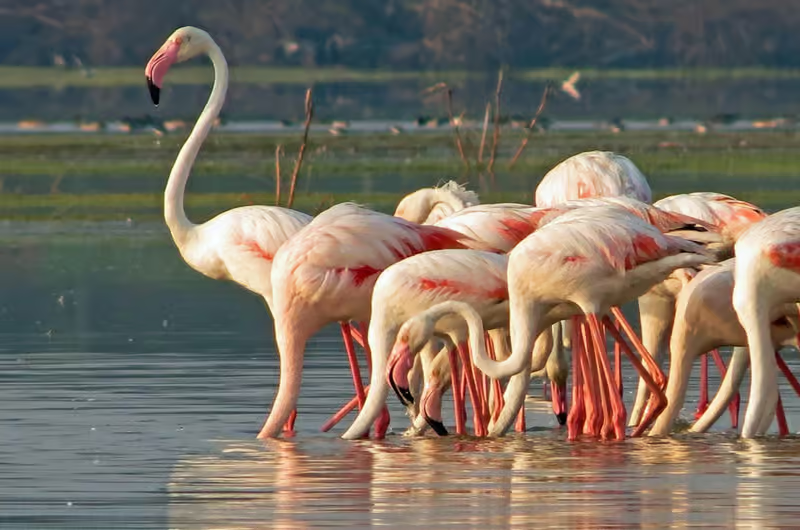
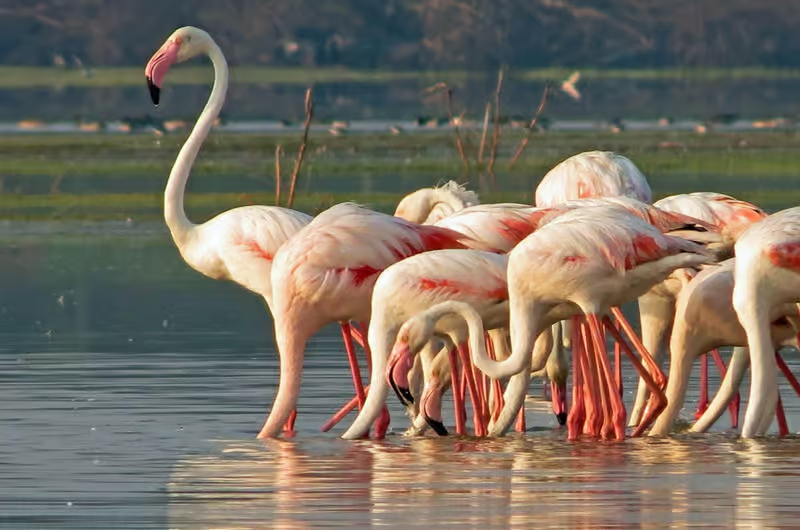
Birdwatchers will find Hambantota's lagoons and salt pans especially rewarding, with flamingos, pelicans, and waders gathering in numbers that rival more celebrated wetland sites. The district's growing selection of hotels and safari lodges caters to wildlife enthusiasts and beach lovers alike, offering comfortable bases from which to explore both the coast and the parks. For British travellers seeking a Sri Lankan holiday that combines safari excitement with coastal solitude, Hambantota occupies a unique and increasingly compelling position on the map.
Local cuisine reflects the dry-zone south, with rice and curry, freshly caught seafood, and specialities influenced by both Sinhalese and Muslim communities. Simple restaurants and hotel dining rooms serve satisfying meals that fuel long days of exploration.
Hambantota is reached via the Southern Expressway from Colombo, with the journey taking approximately three to four hours. Internal flights to Mattala Rajapaksa International Airport offer an alternative for those combining coast and wildlife in a single itinerary. The improved road network has made this once-remote corner of the island far more accessible to British travellers than in previous decades.
For travellers who seek wide beaches, extraordinary wildlife, and a coastal landscape shaped by both tradition and change, Hambantota delivers an experience of genuine breadth and adventure. It is a destination where the sea, the salt flats, and the call of the wild converge in memorable fashion.