Southern Province
Galle
On Sri Lanka's southern coast, Galle is a city where history, culture, and coastal beauty converge in one of the island's most enchanting settings. At its heart stands the Galle Fort, a UNESCO World Heritage Site built by the Portuguese and expanded by the Dutch, whose cobbled streets, colonial mansions, and ramparts overlooking the Indian Ocean create an atmosphere unlike anywhere else in Sri Lanka. For British travellers, Galle offers a blend of heritage, boutique shopping, fine dining, and nearby beaches that makes it an essential stop on any southern itinerary.
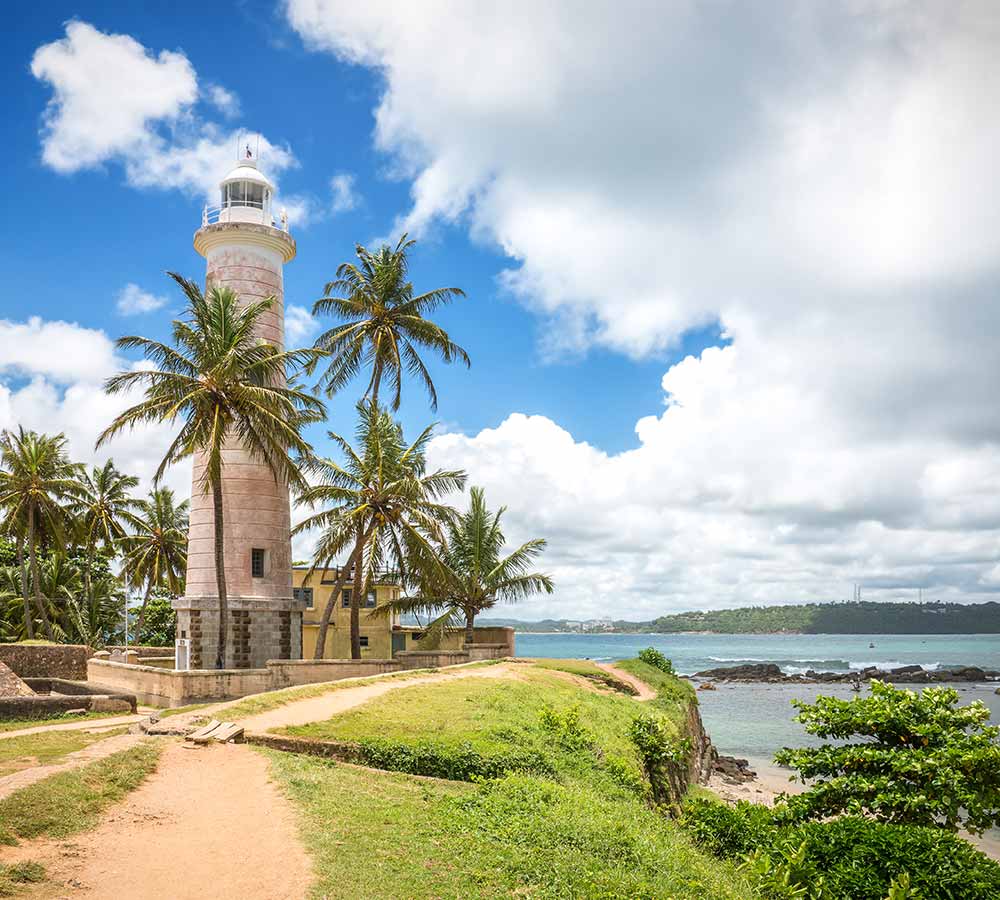
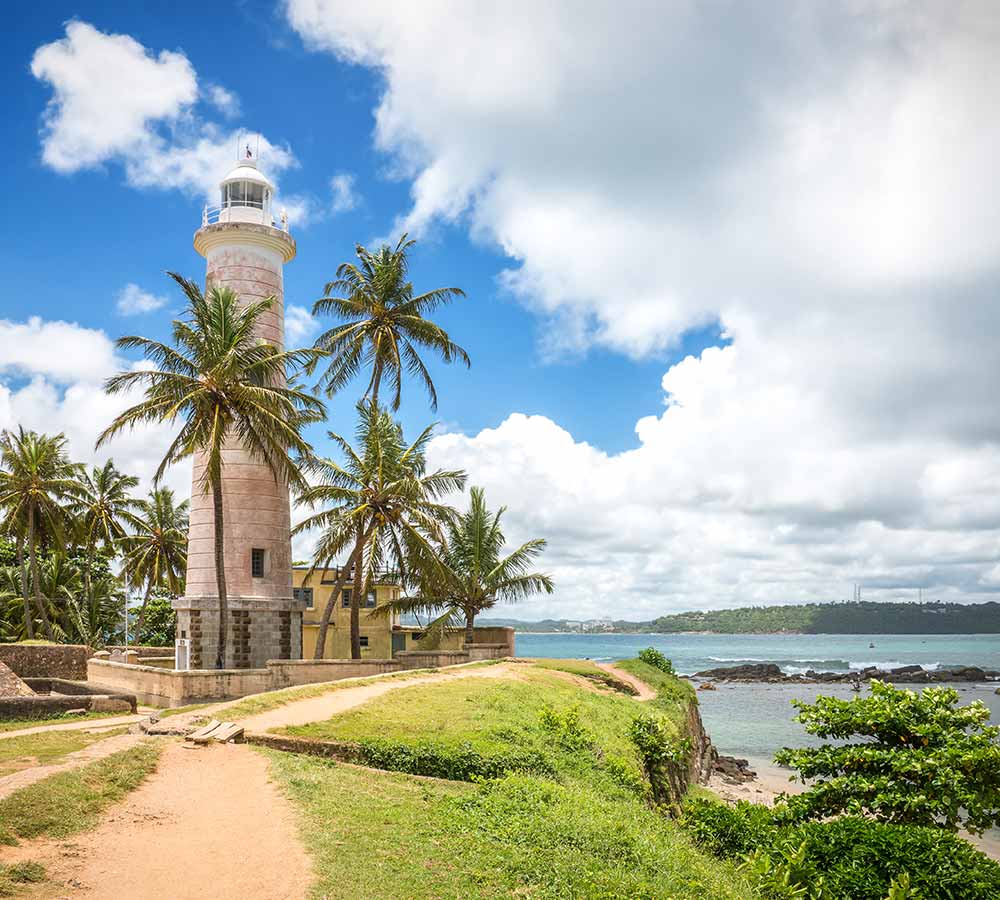
Walking the fort's walls at sunset is one of Sri Lanka's great pleasures. The lighthouse, the clock tower, and the Dutch Reformed Church stand as landmarks within a grid of streets lined with gem shops, art galleries, cafés, and small hotels housed in restored colonial buildings. The fort is a living community, not a museum — schoolchildren walk to class, fishermen mend nets, and residents greet neighbours from balconied windows. This authenticity, combined with thoughtful conservation, gives Galle its enduring appeal.
Beyond the fort walls, Galle's surroundings offer plenty to explore. Unawatuna Bay, just a few kilometres east, provides calm swimming and snorkelling, while Jungle Beach offers a more secluded alternative tucked between headlands. The Japanese Peace Pagoda, perched on a hill above Unawatuna, affords sweeping views of the coastline and a moment of tranquillity away from the bustle of the town.
Galle has become a centre for creative and culinary talent. Restaurants within the fort serve exceptional Sri Lankan and international cuisine, often in beautifully restored settings. Boutique hotels range from intimate guesthouses to luxury properties that rank among the finest in the country. The fort's annual literary festival attracts writers and readers from around the world, underscoring Galle's reputation as a cultural destination as well as a historical one.
The city is easily reached from Colombo via the Southern Expressway in approximately two hours, making it accessible for day trips or longer stays. Within the fort, walking is the best way to explore; outside, tuk-tuks and bicycles are readily available. The best time to visit is from November to April, when the southwest coast enjoys its dry season and calm seas.
Inside the fort, respectful dress is appreciated near places of worship, and many shops appreciate polite bargaining. Gem and jewellery purchases should be made from licensed dealers who provide certificates of authenticity. Cooking classes, yoga sessions, and guided food walks have become popular additions to a Galle stay, offering hands-on engagement with local culture. The nearby beaches of Unawatuna and Thalpe provide alternatives when you wish to swap cobblestones for sand.
Accommodation within the fort books up quickly during peak season and the literary festival period, so advance planning is advisable. Outside the walls, larger resorts along the coast cater to families and those seeking pools and spa facilities. Whether you prefer a heritage room within the ramparts or a sea-view villa nearby, Galle's hospitality matches its historical prestige. Many visitors find that a morning within the fort followed by an afternoon at Unawatuna creates the perfect balance of culture and coast in a single day.
For British travellers seeking character, comfort, and coastal charm, Galle delivers on every count. It is a place to wander without agenda, to dine well, to browse for crafts and antiques, and to watch the light change over the ramparts as another tropical day draws to a close. Galle is not merely a stop on the map — it is a destination that invites you to slow down and savour the finer details of Sri Lankan life.