Western Province
Colombo
Colombo, Sri Lanka's commercial capital and the gateway for most international arrivals, is a city of contrasts that rewards British travellers who look beyond the transit lounge. Spread along the western coast, this bustling metropolis blends colonial architecture, modern skylines, vibrant markets, and a dining scene that ranks among the best in South Asia. Whether you spend a day or several, Colombo offers an engaging introduction to the energy and diversity of contemporary Sri Lanka.
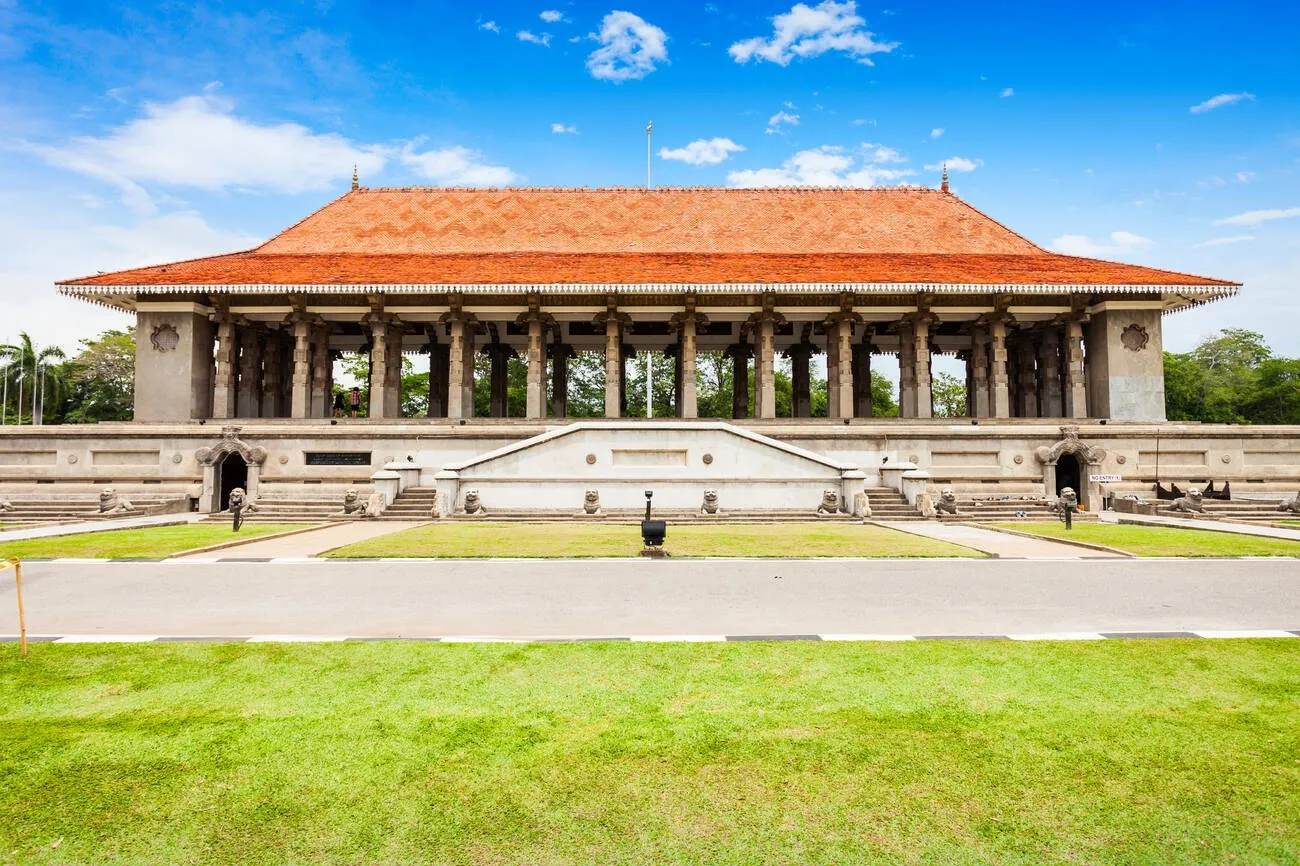
The Fort district, once the walled citadel of Portuguese and Dutch colonisers, is now the city's financial and administrative centre. Grand colonial buildings — including the Old Parliament, the Galle Face Hotel, and the Central Bank — line streets that tell the story of centuries of trade and empire. Nearby, the Colombo National Museum houses an outstanding collection of artefacts spanning the island's history from ancient kingdoms to the modern era.
For shopping and dining, Colombo excels. The Pettah market district is a sensory adventure of spices, textiles, and street food, while modern malls such as One Galle Face offer international brands alongside local designers. The city's restaurant scene has flourished in recent years, with establishments serving everything from refined Sri Lankan tasting menus to excellent seafood, Indian, and European cuisine. Galle Face Green, the broad seaside promenade, comes alive at sunset with families, street vendors, and the scent of isso wade — spicy lentil fritters — frying in the open air.
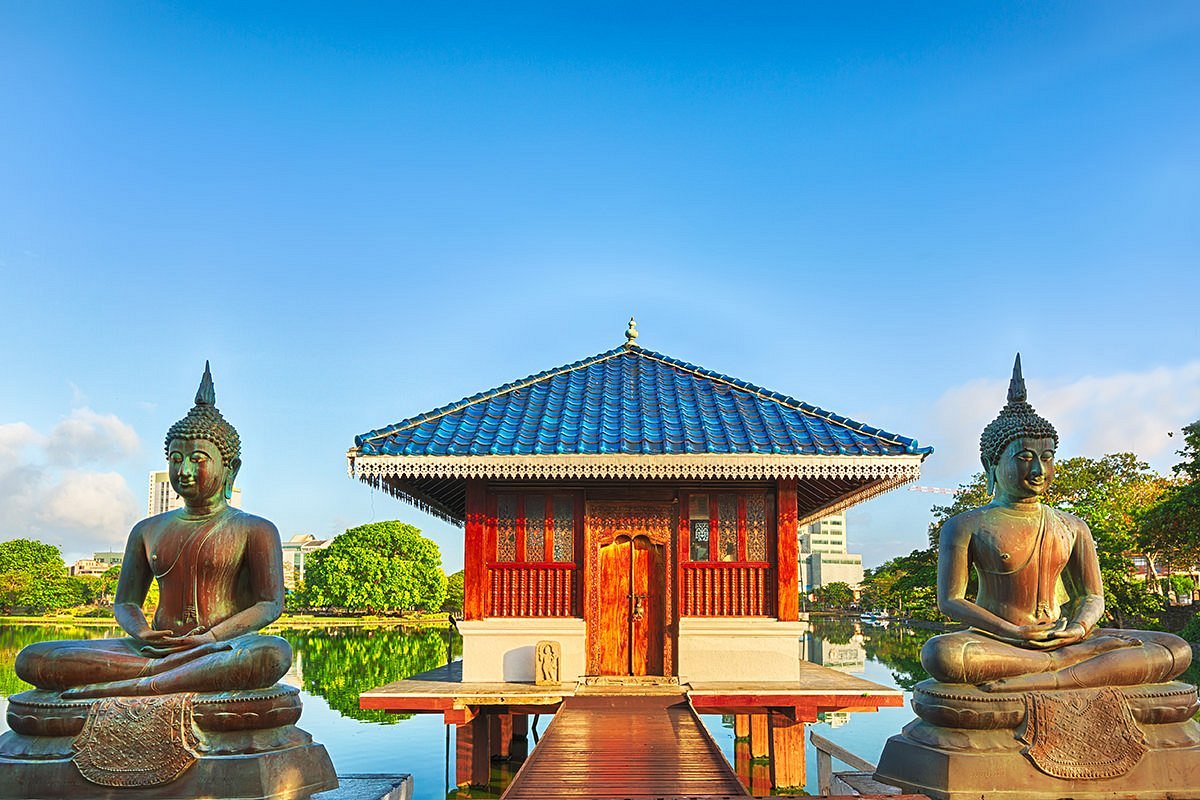
Colombo's religious diversity is evident in its temples, mosques, and churches. Gangaramaya Temple, near Beira Lake, is one of the most important Buddhist temples in the city, while the red-and-white Jami Ul-Alfar Mosque in Pettah is an architectural landmark. St Lucia's Cathedral and the Dutch Reformed Wolvendaal Church reflect the Christian heritage woven into the city's fabric.
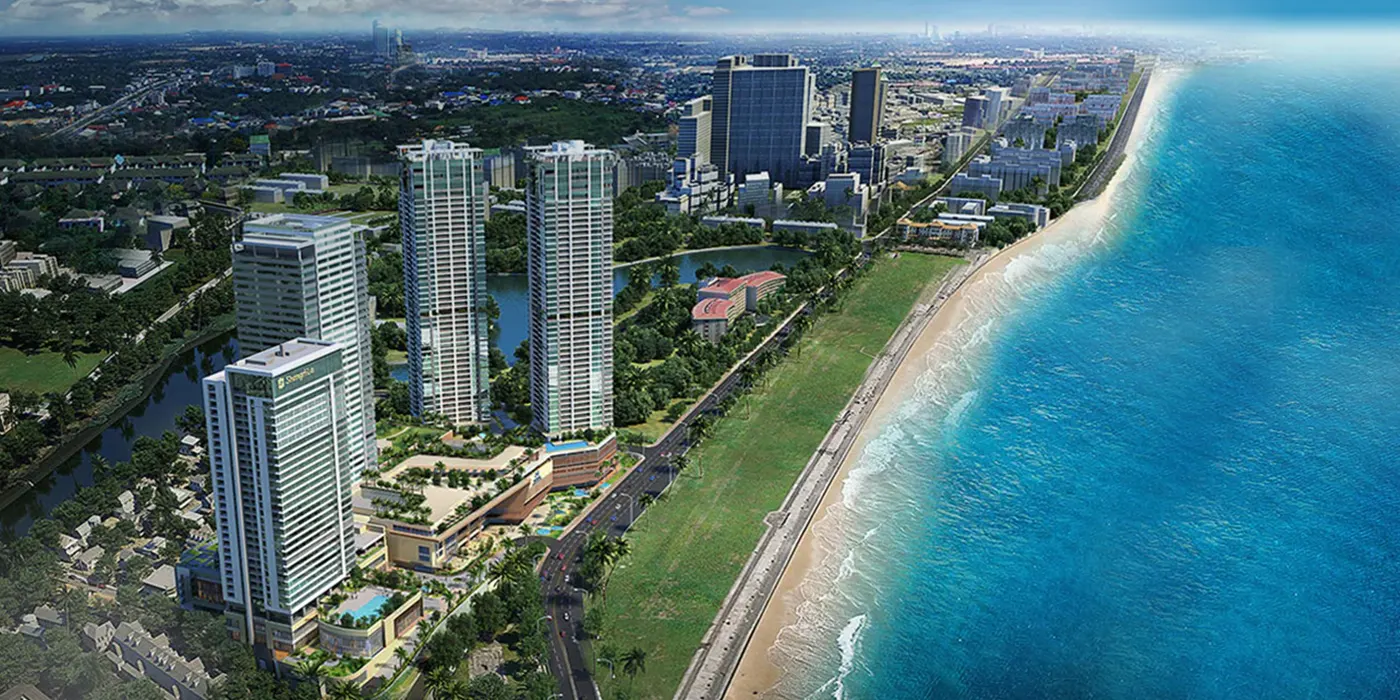
Beyond the centre, neighbourhoods such as Cinnamon Gardens, with its tree-lined avenues and diplomatic residences, and the revitalised Dutch Hospital precinct in Fort, with its boutiques and cafés, offer quieter pleasures. The Lotus Tower, now the tallest structure in South Asia, provides panoramic views for those seeking a modern perspective on the city.
Colombo works well as a first or last stop on a Sri Lankan itinerary. It is well connected by road and rail to the rest of the island, and its range of hotels — from heritage properties to contemporary luxury — suits every budget. A knowledgeable driver-guide can help navigate the traffic and reveal hidden corners that independent travellers might miss.
The best time to explore Colombo on foot is early morning or late afternoon, when temperatures are manageable and the light flatters the colonial architecture. Tuk-tuks are plentiful and inexpensive, though agree a fare beforehand or insist on the meter. The city has embraced speciality coffee and artisan bakeries in recent years, offering familiar comforts alongside Sri Lankan street food. Department stores and boutiques in Cinnamon Gardens stock quality tea, gems, and handicrafts suitable for gifts.
Colombo's calendar includes cultural events, exhibitions, and religious festivals throughout the year, any of which can enrich a short stay. Bandaranaike International Airport lies roughly thirty-five kilometres north of the centre, and the expressway links the capital efficiently with the southwest coast. Even a single day in Colombo — spent between Fort, Galle Face, and a memorable dinner — repays the effort for travellers who might otherwise rush straight to the hills or the beach.
For British visitors, Colombo is more than an airport city. It is a place where Sri Lanka's past and present meet with confidence and charm. Take the time to explore its streets, taste its food, and absorb its rhythms, and you will carry a richer understanding of the island into every destination that follows.