North Central Province
Anuradhapura
In the heart of Sri Lanka's North Central Province lies Anuradhapura, one of the island's most sacred and historically significant cities. Founded in the fourth century BC and serving as the capital of ancient Sinhalese civilisation for more than a millennium, Anuradhapura remains a living centre of Buddhist devotion and archaeological wonder. For British travellers drawn to history, spirituality, and landscapes shaped by centuries of faith, this UNESCO World Heritage Site offers an experience that is both profoundly moving and beautifully serene.
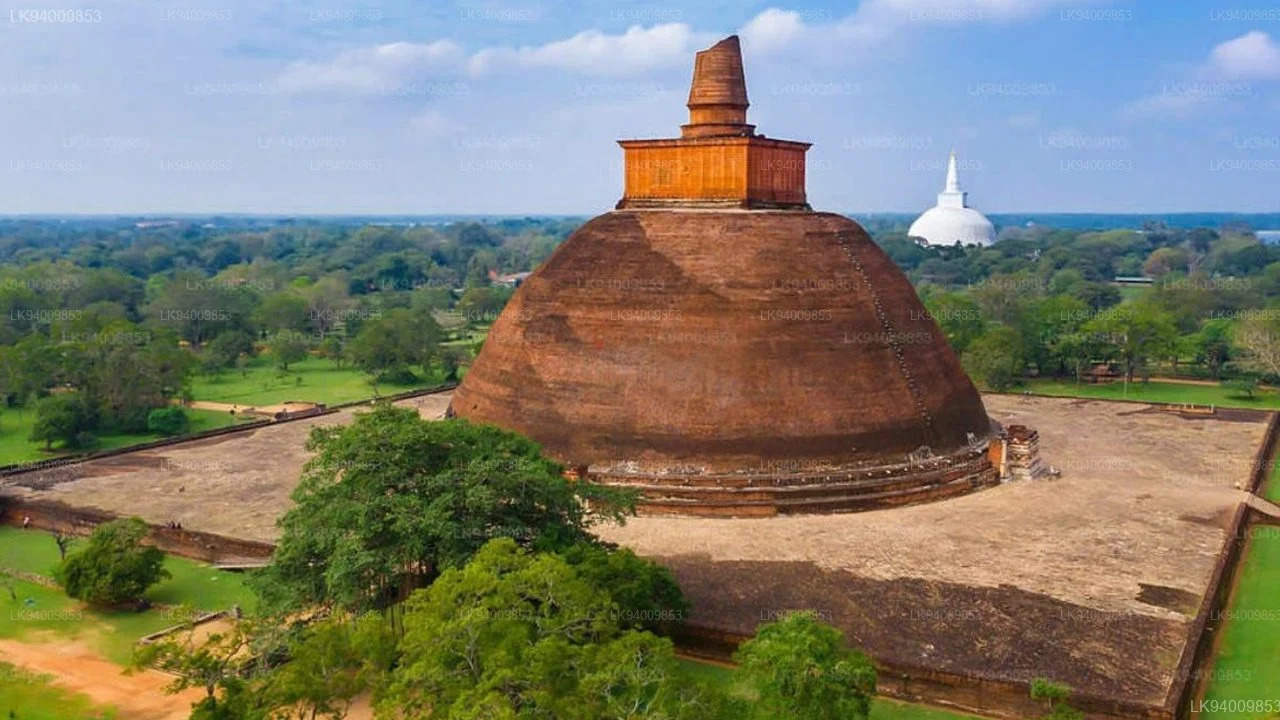
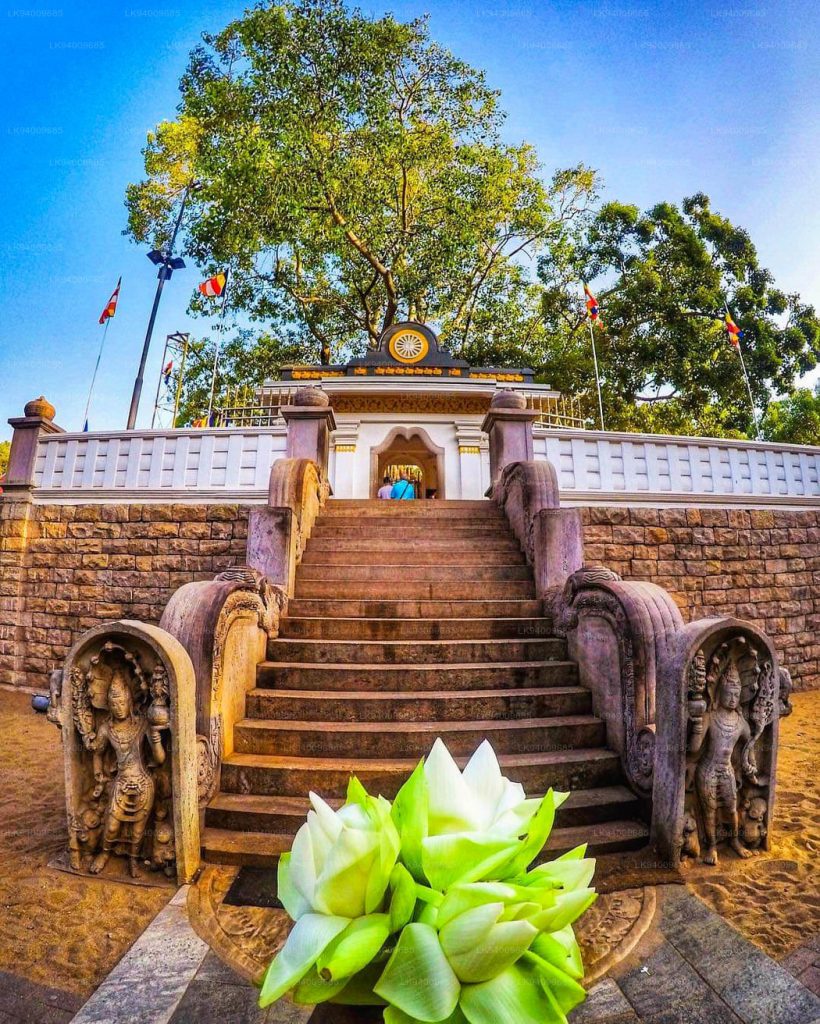
At the spiritual heart of the city stands Sri Maha Bodhi, a sacred fig tree grown from a cutting of the tree under which the Buddha attained enlightenment. Worshippers gather here throughout the day, and the atmosphere of quiet reverence is unforgettable. Nearby, the great dagobas — including Ruwanwelisaya, Jetavanaramaya, and Abhayagiri — rise above the plains like monumental statements of devotion. Climbing the steps or walking the broad sand paths around these stupas, visitors gain a sense of the scale and ambition of a civilisation that flourished long before many European cities were established.
Anuradhapura is best explored at an unhurried pace. Hire a bicycle — as many pilgrims and locals do — and cycle between ruins shaded by frangipani trees and lotus-filled tanks. The Samadhi Buddha, carved from granite and radiating calm, is among the finest examples of ancient Sinhalese sculpture. The Isurumuniya Temple, with its famous lovers' carving, and the twin ponds of Kuttam Pokuna reveal the refinement of monastic life in the ancient capital. Each site tells a chapter in a story that connects Sri Lanka's past to its present.
Beyond the monuments, Anuradhapura offers glimpses of everyday Sri Lankan life in a setting where tradition remains central. Monks in saffron robes walk the streets at dawn, and the scent of incense drifts across temple courtyards. Early morning and late afternoon are the most comfortable times to visit, when the light is golden and the heat of the day has softened.
Anuradhapura sits at the centre of the Cultural Triangle, making it an essential stop on any itinerary that includes Sigiriya, Polonnaruwa, and Dambulla. Comfortable guesthouses and small hotels cater to international visitors, and knowledgeable local guides bring the ruins to life with stories of kings, monks, and merchants who shaped this remarkable city.
The Archaeological Museum near Jetavanaramaya displays jewellery, coins, and sculpture recovered from the site, offering valuable context for those unfamiliar with Sinhalese history. Modest dress is required at active religious sites — shoulders and knees covered — and shoes must be removed before entering temple precincts. The best season to visit is from December to April, when lower humidity makes cycling and walking more comfortable. Start early, rest during midday heat, and enjoy rice and curry or hoppers at local restaurants in the new town after a morning among the ruins.
Photography is permitted at most monuments, though flash is discouraged near worshippers at Sri Maha Bodhi. The soft light of dawn and dusk transforms the white stupas into luminous beacons against deep blue skies — moments that define any visit. Anuradhapura is reached by road from Colombo in roughly four hours, or via train to nearby Anuradhapura station, with tuk-tuks and bicycles readily available for getting around the sprawling sacred area.
For British travellers seeking depth rather than superficial sightseeing, Anuradhapura rewards patience and curiosity. It is a place where history is not confined to museums but breathes in every stupa, every stone, and every prayer flag fluttering in the breeze. Whether you come for spiritual reflection, archaeological interest, or simply the pleasure of walking through one of Asia's greatest ancient cities, Anuradhapura leaves an impression that lingers long after you return home.